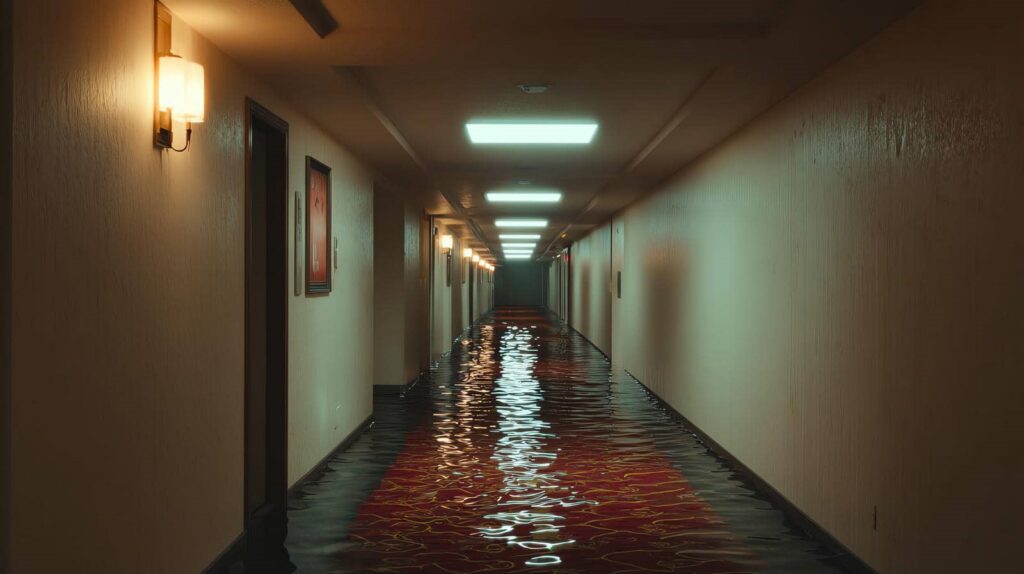
Water damage can be enough to stop operations fast. You need to act quickly, isolate the source, and assess what’s salvageable before moisture spreads into walls, flooring, and inventory. From extraction and drying to contamination control and insurance support, each step affects how fast you recover—and what you may still be overlooking with commercial water damage restoration.
Key Takeaways
- Commercial water damage often starts from leaks, floods, pipe breaks, roof failures, or HVAC condensation.
- Shut off the water source, restrict access, and move documents and electronics to reduce loss and safety risks.
- Restoration should include inspection, water extraction, structural drying, and moisture monitoring to prevent mold and further damage.
- Keep detailed photos, service logs, and drying records to support insurance claims and smoother carrier communication.
- Prevent future damage with regular inspections, leak sensors, pump testing, and staff training on emergency response.
What Causes Commercial Water Damage?
Commercial water damage often starts with leaks, flooding, pipe breaks, or stormwater intrusion, and each can disrupt business operations fast.
You may see roof failures, clogged drains, appliance malfunctions, HVAC condensation, or sprinkler discharge create standing water inside your property.
Aging plumbing, poor sealing, and damaged foundations can let moisture spread through walls, floors, and inventory.
If your building sits in a low-lying area, heavy rain can overwhelm drainage and send water inside.
In commercial water damage restoration, you need a clear understanding of these sources so you can respond with confidence and protect your team, tenants, and assets.
When you recognize the cause, you’re better equipped to work with a trusted recovery partner and restore safe, productive operations quickly.
Act Fast to Limit the Damage
When water enters your facility, every minute counts because moisture can spread through flooring, drywall, insulation, and equipment far faster than you might expect.
You should shut off the source if it’s safe, restrict foot traffic, and notify your team immediately so everyone responds with one plan. Quick action helps you limit structural weakening, reduce slip hazards, and protect inventory before conditions worsen.
Move sensitive documents, electronics, and portable assets out of the affected area, and keep employees clear of wet surfaces and energized equipment.
You don’t need to wait for visible saturation to act; hidden moisture can keep moving behind walls and under finishes.
Fast reporting and coordinated response help your business stay organized, protect your people, and keep recovery on track.
What Water Damage Restoration Includes
Water damage restoration starts with a detailed damage inspection to identify affected areas and assess the extent of loss.
Next, you’ll need prompt water extraction to remove standing water and reduce further damage.
After that, structural drying helps stabilize materials and lower the risk of mold and long-term deterioration.
Damage Inspection
A thorough damage inspection identifies the full extent of water intrusion so restoration teams can plan effective recovery.
You’ll see technicians document visible staining, warped materials, and compromised finishes, then trace moisture behind walls, under flooring, and above ceilings. They use meters, thermal imaging, and careful observation to map affected zones and distinguish active leaks from residual dampness.
This step helps you understand what’s salvageable, what needs removal, and how the work should be sequenced. You also get a clear scope that supports fast decisions, accurate estimates, and smoother communication with your team, insurer, and facility stakeholders.
With a precise inspection, you’re better positioned to protect operations, reduce secondary damage, and move your property toward a coordinated restoration plan.
Water Extraction
Once the inspection maps the affected areas, technicians move quickly to water extraction to remove standing water and reduce further absorption into building materials.
You’ll see high-capacity pumps, wet vacuums, and weighted tools used to pull water from floors, carpets, and low points in the structure. The team targets visible pooling first, then checks hidden pockets beneath equipment, furniture, and storage areas.
This step helps you limit spread, protect inventory, and keep operations closer to normal. Technicians also separate contaminated water from cleaner water when needed, so your site gets the right response.
Structural Drying
After extraction, technicians begin structural drying to remove moisture trapped in framing, subfloors, drywall, and other building materials.
You get targeted airflow, heat, and dehumidification to speed evaporation while protecting your property’s structure.
Technicians place air movers to create consistent circulation, then monitor temperature, humidity, and moisture content with professional meters.
This lets you know the drying process is on track and helps prevent hidden damage, swelling, and microbial growth.
If materials still hold excess moisture, they adjust equipment and isolate affected areas.
You stay informed through daily checks and documented readings.
Structural drying helps your business return to safe, usable conditions faster, so your team can regroup with confidence and keep operations moving.
How Businesses Are Dried and Dehumidified
When water enters a commercial property, technicians first remove standing moisture and then place air movers and dehumidifiers to speed evaporation and stabilize indoor humidity.
You’ll see them map wet materials, set equipment by moisture readings, and adjust airflow to match the building’s layout. Air movers push dry air across floors, walls, and contents, while dehumidifiers pull vapor from the air and collect it for disposal.
This controlled cycle helps your space dry evenly and reduces the chance of lingering dampness. Technicians monitor temperature, humidity, and material moisture throughout the process, making targeted changes as conditions shift.
That attention keeps your team informed, protects operations, and helps your property return to service with confidence.
How Mold and Contamination Are Removed
If moisture has led to mold growth or contamination, technicians isolate affected areas, remove damaged porous materials, and clean salvageable surfaces with antimicrobial or HEPA-assisted methods.
You’ll see them follow a controlled remediation process that protects your team and limits spread. They often use containment, negative air, and disposable PPE to keep particles from moving through shared spaces.
- Identify contamination sources and verify moisture levels.
- Remove non-salvageable materials and bag debris securely.
- Disinfect hard surfaces, then confirm cleanliness with inspections.
You stay informed through clear communication, so you know what’s removed, what’s treated, and what’s safe to keep.
This approach helps your property return to a healthier condition while supporting your staff’s confidence in the recovery process.
How Offices, Stores, and Warehouses Are Restored
Once contamination is controlled, restoration crews can shift to rebuilding daily operations in offices, stores, and warehouses.
You’ll see technicians dry structural materials, remove damaged drywall, flooring, and insulation, then repair framing, ceilings, and subfloors.
In offices, they restore partitions, data rooms, and workstations with minimal disruption.
In stores, they protect aisles, fixtures, and inventory zones while replacing finishes and verifying safe access.
In warehouses, they prioritize slab drying, racking stability, and utility checks before reopening storage areas.
You can expect moisture readings, thermal imaging, and air movement to guide each step.
Crews coordinate with your team so you stay informed and keep your site moving.
The goal is simple: return your property to safe, functional, and familiar condition fast.
How to Handle Water Damage Insurance Claims
After you’ve stabilized the site, file the claim as soon as possible and document every loss with photos, videos, moisture readings, invoices, and a clear timeline of events.
You’ll present a stronger claim when you stay organized and respond quickly. Work with your adjuster, answer requests promptly, and keep one contact log for your team.
Review your policy for coverage limits, deductibles, and exclusions.
Submit a detailed inventory of damaged equipment, inventory, and building materials.
Retain restoration reports, emergency service records, and drying logs.
If the insurer asks for clarification, give concise, factual updates.
You don’t need to navigate this alone; your restoration provider can help you align documentation and speak the same technical language as the carrier.
That approach supports a smoother settlement and keeps your business moving.
How to Prevent Future Water Damage
To reduce the risk of future water damage, you should combine routine inspections with targeted maintenance and emergency preparedness.
Check roofs, gutters, drains, pumps, seals, and supply lines on a set schedule, and document every finding.
Replace aging hoses, corroded fittings, and damaged caulking before they fail.
Test sump pumps, backflow preventers, and leak sensors so they’re ready when conditions change.
Keep shutoff valves accessible, and train your team to act fast if moisture appears.
You should also maintain clear response roles, vendor contacts, and asset records, so everyone knows what to do.
After storms or major repairs, review vulnerabilities and correct them promptly.
When you build this discipline into your operations, you protect your facility and strengthen your team’s confidence.
Recap
When water strikes your business, you need to act like a lightning rod—fast, focused, and ready to redirect the damage. You’ve learned how to shut off the source, dry the property, remove contamination, and restore operations with precision. By documenting every step and staying proactive with maintenance, you help protect your bottom line and your building’s future. With the right response, you can turn a flood of disruption into a controlled recovery.