
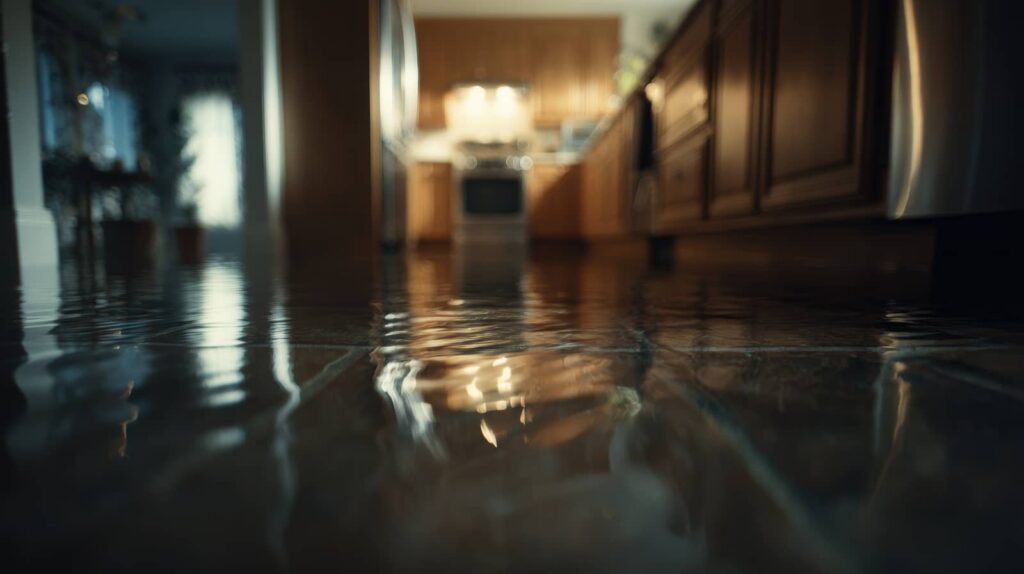
When a leak, flood, or overflow hits your property, same-day water damage cleanup can limit structural damage before it spreads. Same Day Water Damage Cleanup starts with a fast assessment, water extraction, and controlled drying to protect floors, walls, and contents. The right team tracks moisture levels, uses professional equipment, and helps you avoid mold growth. What happens in those first critical hours can change the outcome more than you might expect.
Key Takeaways
- Same-day cleanup teams respond quickly to leaks, floods, and overflows to limit water damage.
- Technicians shut off the source, assess affected areas, and begin water extraction immediately.
- Commercial pumps, vacuums, air movers, and dehumidifiers remove standing water and speed drying.
- Crews inspect carpets, subfloors, baseboards, and wall cavities for hidden moisture and secondary damage.
- Fast drying within 24 to 48 hours helps prevent mold, odors, and further structural damage.
What Is Same-Day Water Damage Cleanup?
Same-day water damage cleanup is a rapid response service that starts removing water as soon as possible after a leak, appliance failure, burst pipe, or sudden flooding.
You get a coordinated team that assesses moisture, extracts standing water, and begins controlled drying the same day. This service uses pumps, vacuums, air movers, and dehumidifiers to limit saturation and reduce secondary damage.
You stay informed through clear updates, so you know what’s happening at each step. Same day water damage cleanup also helps protect materials before warping, staining, or microbial growth can spread.
When you need fast, professional help, you’re not alone; you’re backed by a crew that works to restore safe, stable conditions with precision and care.
What to Do Right After a Leak or Flood
Right after a leak or flood, you should shut off the water source if it’s safe, turn off electricity to affected areas, and move people and valuables away from standing water.
Next, document the damage with quick photos so you can share accurate details with your cleanup team and insurer. If water came from a supply line, appliance, or overflow, stop using the fixture until a technician checks it.
Open doors and windows only if conditions are safe, since better airflow can slow moisture buildup. Avoid standing in contaminated water, especially if it’s near outlets or chemicals. Keep pets clear too.
Stay calm and follow your home’s emergency plan. When you act fast and stay organized, you protect your space and help your crew restore it sooner.
How Technicians Start Water Extraction
You’ll see technicians first assess the water source and shut off any active flow to stop further damage.
Then they map the affected areas, set up extraction equipment, and begin rapid water removal to limit saturation.
This quick, controlled start helps protect your structure and speeds up drying.
Source Assessment
Technicians start by locating the water source and stopping it if possible, whether the damage comes from a leak, appliance failure, burst pipe, or sudden flooding.
You’ll see them trace water travel paths, check valves, inspect fixtures, and identify hidden entry points behind walls or under flooring. This assessment helps them judge whether the source is still active and whether nearby materials are at risk.
They also verify if contaminated water is present, since that changes how they protect your space. You can expect clear communication about what they find and what it means for your property.
That first check keeps the response focused, reduces avoidable damage, and puts you on a path to a controlled, professional cleanup with a team that knows what your situation needs.
Rapid Water Removal
Once the source is controlled, crews move straight into rapid water removal to limit further absorption and keep damage from spreading. You’ll see them place commercial pumps, extractors, and weighted wand tools where standing water pools deepest.
They work room by room, checking carpet, padding, subfloor, and baseboards so no hidden moisture lingers.
- They map wet zones fast.
- They pull free water with high-capacity equipment.
- They move recovered water out safely and keep surfaces from wicking.
This step matters because every minute counts after a leak, flood, or overflow.
When you’re in this process, you’re not handling it alone; the team works beside you to stabilize the space, reduce cleanup time, and set up drying right away.
How Professionals Dry Floors, Walls, and Contents
After extraction, you’ll see pros place air movers and dehumidifiers to dry floors and control moisture levels fast.
They’ll monitor wall cavities, baseboards, and contents, then use targeted drying methods to reduce hidden damage.
This process helps stabilize your space and supports a safer, faster recovery.
Floor Drying Methods
When water soaks floors, walls, or contents, professionals start drying right away to limit swelling, warping, and hidden moisture.
You’ll usually see them remove standing water, then set air movers to push dry air across the floor surface and speed evaporation. They may place dehumidifiers nearby to pull moisture from the air so the floor can release water faster.
Technicians also lift carpet edges, check under baseboards, and monitor subfloor readings to make sure the drying plan’s working.
- Extract pooled water quickly.
- Position air movers for steady airflow.
- Track moisture until the floor reads dry.
This method helps your space recover safely and keeps you informed.
Wall And Contents Drying
Walls and contents need the same fast response as floors because moisture can spread behind drywall, into insulation, and through furniture or stored items.
You’ll see technicians remove baseboards, drill discreet vent holes, and place air movers to push dry air through wall cavities. They’ll often use dehumidifiers to pull vapor from the room and reduce hidden dampness.
For contents, they’ll sort salvageable items, wipe surfaces, and move porous materials to controlled drying areas. You may see paper goods, textiles, and electronics treated separately to prevent secondary damage.
This process helps your space dry evenly, limits odor and mold risk, and gets your home back to normal faster.
You’re not dealing with this alone; trained pros guide each step and keep you informed.
How to Prevent Mold After Water Damage
To prevent mold after water damage, you need to remove standing water fast and dry all affected materials thoroughly, especially after leaks, appliance failures, burst pipes, or sudden flooding.
You should act within 24 to 48 hours, because moisture lets spores colonize hidden surfaces. Keep indoor humidity low, and open airflow across wet rooms.
- Pull wet rugs, padding, and porous items before they trap moisture.
- Run fans and dehumidifiers continuously until surfaces feel dry.
- Check baseboards, subfloors, and wall cavities for lingering dampness.
You’re not alone in this cleanup process. If you smell a musty odor or see discoloration, keep drying and isolate the area.
Clean hard surfaces with appropriate disinfectant, then monitor them daily. Prompt, steady drying helps you protect your space and restore normal conditions safely.
How to Choose a Same-Day Cleanup Team
How do you choose a same-day cleanup team that can respond fast and do the job right? You should verify 24/7 dispatch, rapid arrival times, and certified technicians who handle extraction, drying, and sanitation.
Ask whether they use moisture meters, thermal imaging, and industrial air movers to confirm hidden water is gone. You’ll want clear communication, written scope, and direct insurance support so you feel informed at every step.
Check reviews for reliability, respectful crews, and consistent results; you deserve a team that treats your home like theirs. Confirm they can work with leaks, appliance failures, burst pipes, or flooding today, not tomorrow.
When you pick a proven local provider, you join neighbors who protect their spaces quickly and confidently.
Frequently Asked Questions
Does Same-Day Cleanup Cover Sewage Backups and Toilet Overflows?
Yes, you can usually get same-day cleanup for sewage backups and toilet overflows. You’ll need rapid extraction, sanitation, and drying to reduce contamination, control odors, and protect your property, so you’re not left dealing alone.
Can Cleanup Teams Work After Hours or on Weekends?
Yes, you can schedule cleanup teams after hours or on weekends, and they’ll respond quickly. You’ll get prompt assessment, extraction, drying, and monitoring, so your property stays protected and your routine stays connected and supported.
Will My Insurance Likely Cover Same-Day Water Damage Services?
Usually, yes—your insurance may cover same-day water damage services if the loss is sudden and accidental. Coincidentally, that’s often the moment you’re glad you called fast, because you’ll limit damage and strengthen your claim.
How Long Does a Typical Emergency Cleanup Visit Take?
A typical emergency cleanup visit takes 2–6 hours, depending on damage size and drying needs. You’ll get fast extraction, inspection, and containment, and you’re not alone—your team’ll guide each step, keeping everything controlled and clear.
Are Electronic Devices Safe to Use After Water Exposure?
Like a wet circuit board, they’re not safe yet. You should unplug devices, remove batteries, and let a technician inspect them before powering up. Acting quickly protects your equipment and keeps you in the clear.
Review
When water intrudes, you need a same-day cleanup team that moves fast and handles the heavy lifting. By acting quickly, you help keep moisture from lingering, limit hidden trouble, and protect your home’s structure and contents. With prompt extraction, controlled drying, and clear updates, you can steady the situation before it quietly grows into something bigger. Choose a crew that responds today, communicates well, and guides you through a clean, efficient recovery.