
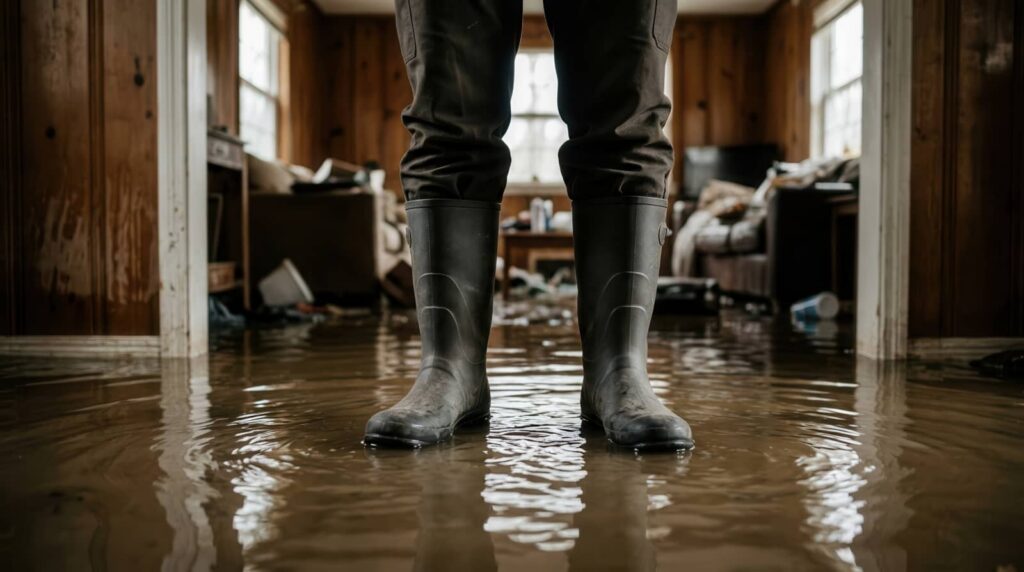
When water intrudes, you need to act within minutes, not hours, to limit structural damage, mold growth, and costly repairs. Emergency Water Damage Cleanup starts with stopping the source, removing standing water, and beginning controlled drying before moisture spreads into walls, flooring, and contents. The next steps determine whether you recover the property efficiently or face a larger cleanup.
Key Takeaways
- Shut off electricity and the water source immediately to prevent hazards and stop further flooding.
- Remove standing water quickly with mops, towels, or a wet/dry vacuum.
- Dry affected areas fast using fans, dehumidifiers, and open doors or cabinets for airflow.
- Clean and disinfect salvageable items, and discard porous materials damaged by sewage or mold.
- Call professionals if contamination, hidden moisture, or structural saturation affects large areas.
Act Fast in the First 60 Minutes
In the first 60 minutes, you need to act quickly to limit flooding and moisture damage. You assess the affected area, document visible loss, and begin emergency water damage cleanup with a methodical plan.
Remove wet rugs, lift lightweight items, and separate salvageable materials from saturated debris. Open cabinets and interior doors to improve airflow through enclosed spaces.
Use towels, mops, or a wet vacuum to extract standing water before it spreads into wall cavities or subflooring. Check for hidden moisture around baseboards, furniture joints, and appliances.
Stay organized, because your team succeeds when everyone knows the sequence. Focus on fast, controlled action; every minute counts.
Stop the Water and Protect Your Space
First, shut off the water source at the main valve to stop further flow and limit additional damage.
Next, move valuables, electronics, and porous materials to a dry area to prevent loss and reduce contamination.
Then contain spreading water with towels, barriers, or a wet vacuum so you can control the affected zone.
Shut Off Water Source
Turn off the main water valve immediately to stop the flow and limit further damage. You should find the valve near the water meter, basement wall, or where the line enters your home.
Turn it clockwise until it stops, then check faucets to relieve pressure in the pipes. If the leak comes from a fixture, close its local shutoff valve as well.
After the water stops, inspect visible lines, fittings, and appliances for active dripping. Use a flashlight and stay alert for slippery surfaces.
If the valve won’t move, don’t force it; contact your water utility or a licensed plumber. Acting quickly keeps your cleanup team aligned and your space under control.
Record the shutoff location now so you’re ready next time, and keep everyone informed.
Move Valuables to Safety
Once the water is off, you should move electronics, documents, fabrics, and other high-value items to a dry, elevated area to limit further loss.
Work methodically: unplug devices only if the floor is safe, then lift them with dry hands and place them on sturdy furniture or shelving.
Pack papers in waterproof folders, and separate damp textiles from dry ones so you can sort them later.
Keep family keepsakes, medications, and portable storage drives together to reduce handling errors.
If items are too heavy or saturated, don’t force movement; mark their location and get help from your cleanup team.
You’re protecting your space and your people by preserving what matters most, reducing replacement costs, and keeping recovery organized from the start.
Contain Spreading Water
With valuables moved out of harm’s way, shut off the water at the main valve if you can reach it safely, then stop the source at fixtures, appliances, or supply lines as needed.
Next, isolate the wet area so you don’t let runoff reach adjoining rooms. Use towels, absorbent barriers, or a wet/dry vacuum to form a controlled perimeter.
Lift rugs, block floor drains only if pressure won’t build, and move furniture onto blocks or dry zones. If water is still entering, turn off the branch supply or appliance valve immediately.
Keep pathways clear so your team can work fast and stay coordinated. Your crew belongs in a space that’s contained, stable, and safe while you prevent further saturation and limit structural damage.
Dry Emergency Water Damage Safely
You should dry the affected area with controlled airflow, dehumidification, and removal of saturated materials to reduce moisture without spreading contamination.
Use moisture detection tools to confirm that hidden cavities, subfloors, and wall assemblies are reaching acceptable dry levels.
Then apply mold prevention steps immediately, because residual dampness can support fungal growth within 24 to 48 hours.
Safe Drying Methods
After you stop the water source, dry the area using fans, dehumidifiers, and open airflow to remove moisture quickly and safely.
Position equipment to create cross-ventilation, moving humid air out and pulling drier air in. Keep doors open when it’s safe, and lift damp rugs, cushions, and small items so air reaches every surface.
Remove standing water first, then dry floors, walls, and framing in layers. Run dehumidifiers continuously and empty them often so they keep working at full capacity.
Separate wet materials from dry ones to prevent spread. Use low heat only if the structure can handle it, and avoid sealing the space too soon.
You’re protecting your property and your crew when you work methodically, monitor progress, and keep airflow steady until materials feel dry.
Moisture Detection Tools
Moisture detection tools help you verify that drying is actually progressing, not just that surfaces look dry. You should use a pin meter for wood and drywall, a pinless meter for broad surface scans, and an infrared camera to spot temperature patterns that suggest hidden wet areas.
Compare readings against known dry materials in the same room, then log each measurement so you can track changes day by day. Probe baseboards, subfloors, wall cavities, and seams where water tends to linger. If readings stay elevated, keep drying equipment running and reassess airflow.
When you’re systematic, you stay in control and work with the same careful standard trusted by experienced restoration teams. These tools give you confidence that your space is truly recovering, not just looking ready.
Mold Prevention Steps
Once standing water is removed, keep mold from taking hold by drying materials fast and controlling conditions that encourage growth.
Move air through the space with fans, open windows only when outdoor air is dry, and run dehumidifiers to hold relative humidity below 60 percent.
Remove wet carpet, padding, insulation, and damaged drywall within 24 to 48 hours if you can’t dry them thoroughly.
Clean hard surfaces with detergent, then dry them completely.
Separate salvageable items so moisture doesn’t spread.
Check hidden cavities, baseboards, and subfloors with moisture meters, since trapped water fuels colonies.
Wear gloves, eye protection, and an N95 respirator during cleanup.
If you stay systematic, you protect your home and join the group of owners who recover cleanly, safely, and confidently.
Keep Mold From Spreading
As soon as you notice water intrusion, remove wet materials and dry the area quickly to keep mold from spreading. You should isolate affected rooms, close doors, and run dehumidifiers and air movers to lower humidity below 60%.
Keep HVAC systems off if they can circulate spores through your property. Wear gloves and an N95 respirator so you can work safely with your team and stay focused.
- Ventilate only when outdoor air is dry.
- Inspect hidden cavities for trapped moisture.
- Track progress with a moisture meter.
If you act methodically, you reduce contamination and protect nearby spaces from cross-growth.
Stay disciplined, document conditions, and maintain steady drying until surfaces read normal. That’s how you keep your recovery on track together.
Clean, Disinfect, and Salvage Belongings
After you’ve isolated wet areas and slowed mold growth, sort belongings by what can be cleaned, disinfected, or discarded.
You should bag porous items with visible mildew or sewage exposure and remove them from living spaces.
For salvageable hard surfaces, wash off debris with clean water and a pH-neutral detergent, then apply a disinfectant labeled for the material. Keep contact time exactly as directed.
Rinse items that touch food or skin, and dry them completely with fans and dehumidification.
Launder fabrics in hot water if the fiber allows, then air out until no dampness remains.
Photograph damaged possessions before disposal, label recovered items, and store them in a clean, dry zone.
This method protects health, preserves value, and helps your household feel orderly again.
When to Call Water Damage Experts
Call water damage experts when the water source is contaminated, the affected area is larger than you can dry within 24 to 48 hours, or moisture has spread into walls, insulation, subfloors, or HVAC components.
You’ll benefit from a certified crew that measures moisture, classifies damage, and documents losses for insurance. Their equipment can extract hidden water, control humidity, and prevent secondary mold growth.
- Sewage, floodwater, or chemical intrusion
- Structural saturation that keeps returning
- Odors, discoloration, or swelling after drying
If you’re unsure, treat the situation as professional-grade.
Calling early keeps your team aligned, reduces repair costs, and helps your property recover faster with confidence and precision.
Frequently Asked Questions
How Do I Document Water Damage for Insurance Claims?
You document water damage by photographing every affected area, listing damaged items, noting dates, saving receipts, and recording repair estimates. You should contact your insurer quickly, keep copies, and track all communications carefully.
What Items Should I Throw Away After Contamination?
Throw away porous items—carpet, drywall, insulation, mattresses, upholstered furniture, paper goods, and food—if sewage or floodwater touched them. You’ll protect your home team’s health; contaminated materials can harbor pathogens, mold, and persistent odors.
How Can I Tell if Structural Damage Is Hidden?
Look for warped floors, sagging ceilings, cracked drywall, sticking doors, and musty odors; you’ll also notice soft spots or hidden mold. If you’re unsure, you should probe carefully and call a structural inspector.
How Do I Choose a Reliable Water Damage Company?
Choose a company with certified crews, 24/7 response, clear estimates, and strong insurance support. You should verify reviews, ask about moisture meters and remediation steps, and select pros who communicate calmly, competently, consistently.
What Signs Mean Electrical Systems Need Immediate Inspection?
You need immediate inspection if outlets spark, breakers trip repeatedly, lights flicker, you smell burning, see corrosion, or notice water intrusion near panels. Shut power off, then call a licensed electrician right away.
Conclusion
When water invades your home, you need to move like a technician and think like a guardian. Shut off the source, remove the water, and dry every surface before mold gets a foothold. Clean and disinfect with care, and salvage only what’s truly safe. If the damage is wide or the water’s contaminated, call experts without delay. Fast, methodical action turns chaos into a controlled recovery and helps your property breathe again.