
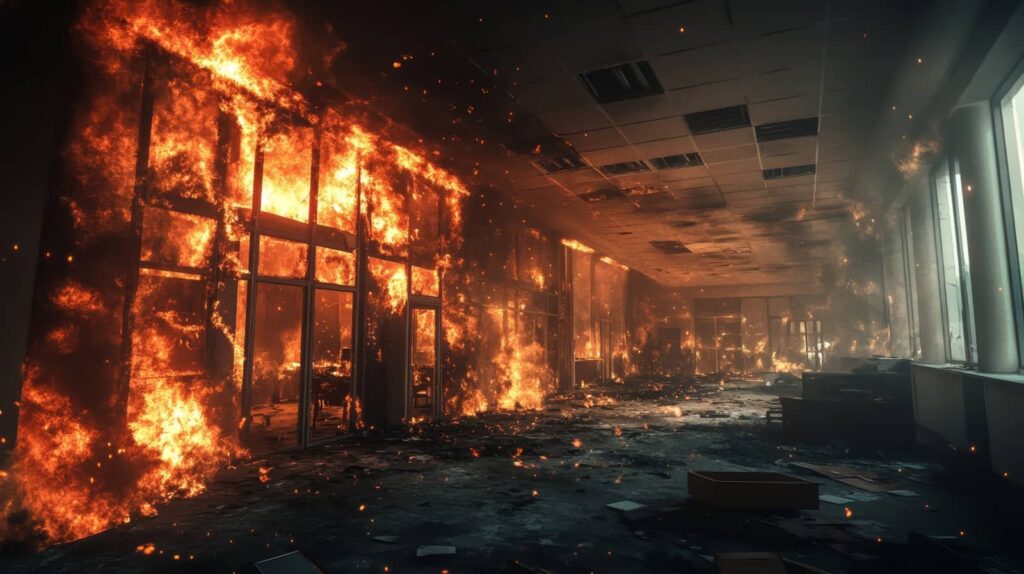
Business interruption after property damage can have a significant impact on your company’s revenue, operations, and long-term success. When disaster strikes, the clock starts ticking—you’re not just dealing with physical damage but also lost income, disrupted workflows, and the risk of additional losses for every hour your property remains unstable. Fast restoration helps secure the site, protect salvageable assets, and restore critical operations as quickly as possible. The key is knowing which recovery steps reduce downtime immediately and which can be addressed later to get your business back on track efficiently.
Key Takeaways
- Property damage can halt operations, cut revenue, and create immediate staffing and customer service disruptions.
- Restoration secures the site, removes hazards, and protects undamaged assets from further loss.
- Rapid assessment and repairs help restart production, reduce backlogs, and restore normal workflow faster.
- Clear restoration planning improves communication, defines next steps, and reassures employees and customers.
- Recovery efforts also support cash flow, limit delays, and strengthen future resilience through backup planning.
Business Interruption After Property Damage
When property damage disrupts your operations, business interruption can quickly affect revenue, staffing, customer service, and site safety.
You need a clear response plan that identifies hazards, documents losses, and restores critical systems fast. In business interruption after property damage, your team should secure the site, protect undamaged assets, and coordinate with adjusters and restoration specialists.
You’ll reduce downtime by prioritizing moisture control, debris removal, power checks, and sanitation, while keeping communication steady with employees and customers.
Practical recovery steps help you stay organized and confident, even when conditions feel uncertain.
When you work with a trusted restoration partner, you’re not handling this alone; you’re part of a prepared, capable team moving toward safe reopening.
How Property Damage Disrupts Revenue and Operations
When property damage forces you to pause service, you lose revenue immediately because sales, billable work, and production all stop.
You’ll also face operational delays and backlogs as damaged systems, equipment, or workspaces slow down your team’s throughput.
If your suppliers or logistics partners are affected, supply chain interruptions can extend the disruption and make recovery take longer.
Revenue Loss From Downtime
Property damage can interrupt your revenue stream almost immediately, especially if it forces you to close, limit service, or delay production. Each hour offline can reduce sales, shrink cash flow, and strain your ability to meet payroll, rent, and supplier obligations.
You may still face fixed costs while your earning capacity drops, which puts pressure on margins fast. Restoration helps you shorten that gap by stabilizing the site, documenting losses, and guiding your return to normal service.
When you act quickly, you protect customer trust and keep your team connected to a business that’s recovering with purpose. You’re not handling this alone; a coordinated response gives you a clearer path back to revenue and helps your operation regain momentum with confidence.
Operational Delays And Backlogs
Even if your building stays partially usable, property damage can throw your workflow off track by slowing production, delaying shipments, and creating backlogs that ripple through every department.
When you can’t use critical rooms, equipment, or IT systems at full capacity, your team has to re-sequence tasks, work around damaged areas, and keep logs of unfinished orders. That adds labor hours, increases handoff errors, and stretches turnaround times.
You may see quality checks pile up, service tickets age, and managers spend more time coordinating than executing.
Restoration helps you regain usable space, restore utilities, and reset normal throughput so your crew can work together again. The faster you clear bottlenecks, the sooner you protect customer trust and steady cash flow.
Supply Chain Interruptions
If property damage interrupts your supply chain, your revenue can stall fast because raw materials, parts, and finished goods stop moving on schedule. You may miss production targets, delay customer deliveries, and trigger penalties from vendors or clients.
Restoration helps you restore access, stabilize storage areas, and protect inventory from further loss. You can also reroute shipments, document shortages, and coordinate with suppliers so your team stays aligned.
When you act quickly, you reduce downtime and keep cash flow more predictable. Your crew doesn’t have to handle this alone; clear communication and a solid recovery plan help everyone move together.
Why Fast Restoration Reduces Downtime
When damage stops normal operations, fast restoration helps you get back to work sooner by stabilizing the site, limiting further loss, and speeding up cleanup and repairs.
You avoid compounding moisture, smoke, or structural damage that can stretch closures and drive up costs. Rapid action also protects equipment, inventory, and building systems, so you don’t lose more time to secondary failures.
When you work with a responsive restoration team, you gain a clear plan, steady communication, and a process that keeps your staff informed and confident. That support matters when your team needs to stay aligned and your customers expect consistency.
Faster restoration shortens interruption, helps you resume normal routines, and gives your business a stronger path back to stability.
What Crews Handle First
When crews arrive, they first secure the site with emergency safety measures to protect you and your staff.
They then perform a rapid damage assessment to map affected areas and identify hazards.
Next, they handle critical stabilization so the property doesn’t suffer further loss and recovery can move forward.
Emergency Safety Measures
First, crews secure the site by shutting off utilities, blocking unsafe areas, and checking for structural hazards, so you and your team can stay out of harm’s way.
They’ll isolate live electrical panels, gas lines, and water sources, then place barriers, tape, and signs where access could create risk.
If debris, broken glass, or slick floors threaten movement, they’ll clear or mark those paths right away.
You’ll also see ventilation and moisture controls used to reduce fumes, mold growth, and slip hazards.
These steps let your staff return with confidence and help your operation keep moving.
Damage Assessment
Crews then document the full extent of the loss by inspecting visible damage, testing affected systems, and noting what needs urgent attention versus what can wait.
You’ll get a clear picture of impacted walls, flooring, ceilings, equipment, and contents, plus any hidden moisture or contamination that could slow reopening. Technicians record measurements, photos, and material conditions so you can track the scope with confidence and share it with stakeholders.
They also verify how damage affects workflows, inventory, and access routes, which helps you prioritize repairs without guesswork. This assessment gives your team a practical roadmap, reduces surprises, and keeps everyone aligned on next steps.
When you know exactly what’s damaged, you can make faster, smarter decisions and move your business toward recovery together.
Critical Stabilization
Once the damage is documented, the priority shifts to stabilizing the site so conditions don’t worsen. You’ll see crews secure utilities, shut off leaks, and isolate unsafe areas before anything else moves forward.
They remove immediate hazards such as standing water, loose debris, and weakened materials that could cause slips, collapse, or contamination. If fire, smoke, or moisture is present, they set up containment and drying controls to limit spread.
This first phase protects your team, preserves recoverable assets, and keeps business interruption from growing. You stay informed because every action is targeted, measured, and tied to safety and continuity.
How Restoration Helps You Reopen Faster
When property damage interrupts your operations, a restoration team helps you move from assessment to recovery quickly by stabilizing the site, removing hazardous materials, and prioritizing the repairs that matter most for safe reentry.
You get a coordinated plan that sequences demolition, drying, cleaning, and structural repairs so crews can work without unnecessary delays. Your team can document conditions, communicate with adjusters, and align each step with building requirements, which keeps decisions moving.
Because specialists handle the technical details, you can focus on serving customers and supporting your staff. You’ll also know what’s complete, what’s next, and when spaces can reopen.
That clarity reduces confusion, builds trust, and helps everyone feel like they’re getting back to normal together.
How To Reduce Future Downtime
To reduce future downtime, you need a recovery plan that goes beyond the immediate repair and addresses the weak points that made the interruption worse. You can protect your team and keep your operation resilient by tightening response systems and sharing clear roles.
- Map critical equipment, vendors, and shutdown risks.
- Build backup power, data, and inventory options.
- Train staff on emergency steps and escalation paths.
- Review restoration findings and update your plan.
When you test these controls, you spot gaps before they cause another halt. You also give your people confidence that they belong to a prepared, capable workplace.
Restoration isn’t just about reopening; it’s about helping you return stronger, with fewer surprises and faster decisions when the next issue hits.
Review
When property damage hits, downtime can snowball fast, but restoration helps you get back on your feet. Crews stabilize the site, remove hazards, and protect what’s left, so you can reopen sooner and keep revenue flowing. Think of restoration as the bridge between disruption and recovery. If you act quickly, you’ll reduce losses, support your team, and build stronger resilience for the next unexpected event.