
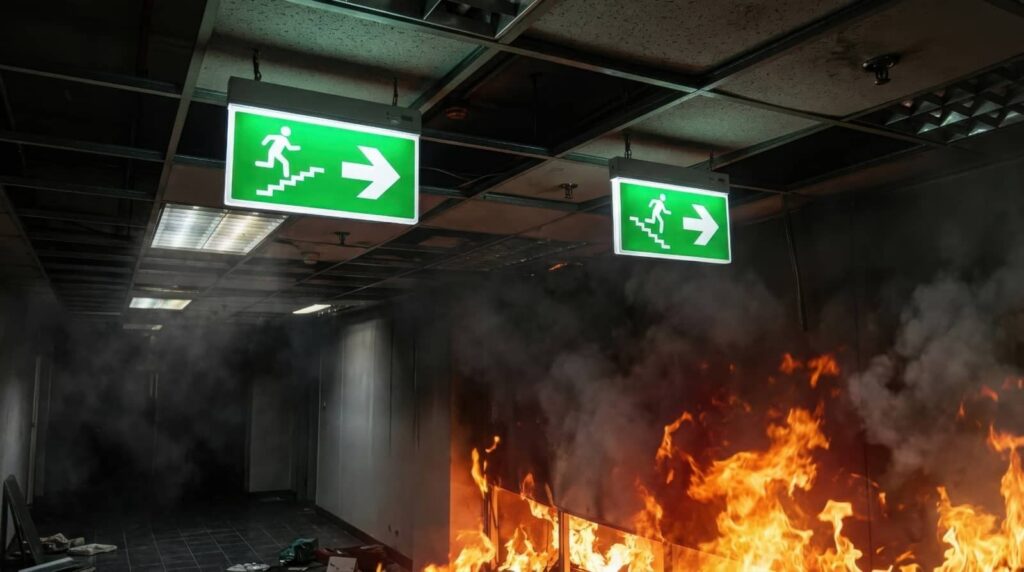
Disaster recovery for businesses requires a fast, organized response when unexpected events like storms, burst pipes, or other emergencies disrupt your operations. You don’t have time to improvise—you need to assess hazards quickly, stabilize the affected areas, and document every loss for insurance purposes. Bringing in qualified recovery contractors, updating your continuity plan, and reopening in phases with proper safety checks can help minimize downtime and protect your business. The biggest challenge is determining which risks require immediate attention and creating a clear plan to restore operations effectively.
Key Takeaways
- Assess damage quickly, secure hazards, shut off utilities, and shift critical operations to backup or remote locations.
- Document all losses with photos, videos, inventory details, receipts, and organized claim records for insurance.
- Hire qualified disaster recovery contractors early, verify credentials, and require daily updates and photo documentation.
- Update your business continuity plan with current risks, responsibilities, contact lists, and recovery priorities.
- Reopen in phases after verifying safety, and add safeguards to reduce future property damage.
Assess Damage and Stabilize Operations
Start with a rapid, site-wide damage assessment so you can identify immediate hazards, protect people, and prevent further loss.
You’ll need to move room by room, mark unsafe areas, and shut down power, gas, or equipment that could worsen the damage.
Assign trusted team members to verify structural issues, water intrusion, smoke contamination, and exposed systems.
Then stabilize operations by shifting critical work to backup locations, remote access, or manual procedures.
Keep your team informed with clear priorities so everyone knows where to report, what to avoid, and what to restart first.
In disaster recovery for businesses, this first response helps you regain control, reduce downtime, and protect your crew’s sense of readiness.
Act quickly, stay organized, and build momentum together.
Document Disaster Loss for Insurance
Once your site is stable, begin documenting every loss so your insurance claim has clear support. You’ll need dated photos, video, and written notes for every affected area, asset, and inventory line.
Record model numbers, serial numbers, purchase dates, and estimated values where you can. Keep damaged items in place until your carrier approves removal, if it’s safe to do so.
Save receipts for emergency purchases, cleanup supplies, and temporary fixes, because they show what you spent to reduce risk.
Build one organized file with claim forms, incident reports, and contact logs. If you work methodically, you protect your recovery timeline and help your team stay aligned.
Clear records also make you part of a prepared business community, not a stressed one.
Hire Disaster Recovery Contractors
Bring in qualified disaster recovery contractors early so you can control hazards, limit secondary damage, and keep repairs moving on a defined plan.
You’ll want teams that handle stabilization, debris removal, drying, and structural assessment with clear reporting. Ask for license proof, insurance, safety protocols, and references from similar losses so you can trust the crew at your site.
- Verify scope, schedule, and site access controls.
- Confirm contamination, electrical, and structural risks get addressed.
- Require daily updates and photo documentation.
- Keep one lead contact to reduce confusion and delays.
When you work with experienced professionals, you join a network that knows how to restore order fast.
That support helps you protect people, reduce downtime, and move forward with confidence.
Update Your Business Continuity Plan
After a disaster, you need to update your business continuity plan so it reflects current risks, real recovery priorities, and any changes in staff, vendors, systems, or facilities.
Review each critical function and document what must happen first, who owns each task, and which backups you’ll use if a resource fails.
Replace outdated contacts, procedures, and dependencies, and confirm everyone knows the revised chain of command.
Set clear triggers for activation, escalation, and communication so your team can move fast under pressure.
Align the plan with your insurance, recovery records, and contractor schedules so you’re not guessing later.
Share the updates with your people, and make sure they can access them in a crisis.
That way, you’re strengthening a shared response your team can trust.
Reopen Safely and Reduce Future Damage
When it’s safe to return, reopen in phases so you can control risk and spot problems early.
Start with the critical areas your team needs most, then verify power, water, air quality, and structural stability before anyone works inside.
You’ll protect your people and your operation by logging hazards, assigning checks, and keeping one clear contact for decisions.
Work with vendors and insurers fast, but don’t rush occupancy.
Add safeguards that fit your space and reduce repeat losses.
- Test backup systems before full use
- Move valuables above flood or fire risk
- Install barriers, alarms, and shutoffs
- Review lessons learned with your team
Conclusion
You’ve faced the loss, and now you move forward with discipline. Assess what’s damaged, stabilize what’s left, and document every detail for insurance. Bring in qualified recovery contractors early to reduce risk and speed repairs. Then update your business continuity plan so it reflects new realities, not old assumptions. When you reopen, do it gradually, with safety checks at every step. That’s how you protect your people, your property, and your business’s future.