
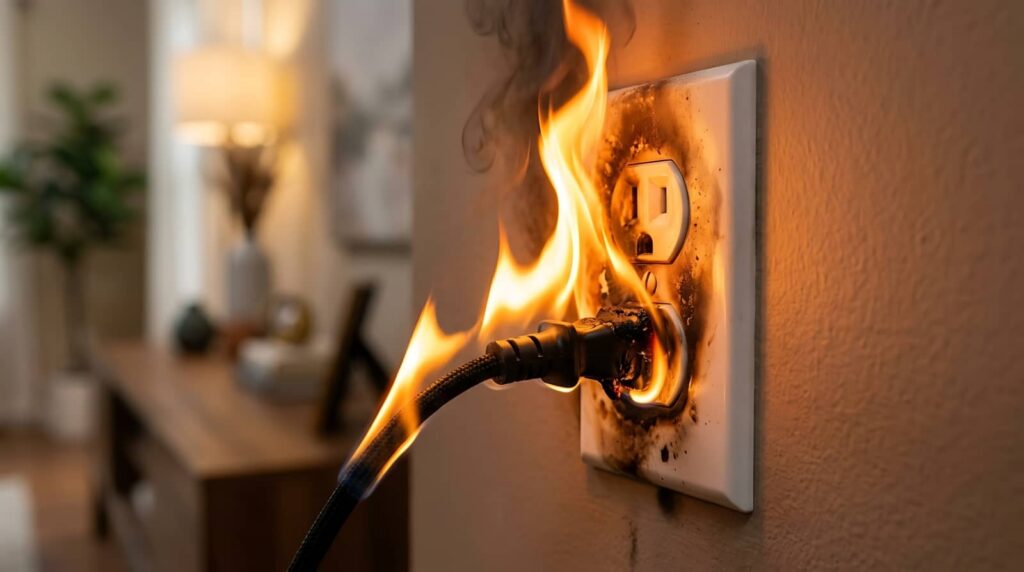
Smoke damage cleanup after fire is essential for preventing lingering odors, soot buildup, and hidden damage throughout your home. When a small kitchen fire leaves behind a faint gray film, the damage may appear minor at first, but persistent smells can reveal deeper problems. After smoke exposure, soot, odor particles, and residue can continue spreading through HVAC systems and porous materials if not addressed quickly. Shutting down air circulation, documenting the damage, and cleaning affected surfaces in the correct order can help reduce losses. However, certain warning signs may indicate that professional restoration is needed to fully restore your home.
Key Takeaways
- Act quickly after a fire to limit smoke residue, protect indoor air quality, and reduce damage to porous materials.
- Shut off HVAC if safe, document damage with photos, and contact a qualified smoke damage restoration team.
- Clean soot with HEPA vacuuming and specialized detergents, starting with the least damaged areas and changing cloths often.
- Inspect hidden spaces like vents, attics, and behind furniture for lingering soot, odor, and moisture contamination.
- Call professionals when smoke reaches HVAC systems, odors persist, or contamination spreads beyond surface cleaning.
What to Do Right After Smoke Damage
Right after smoke damage, you should act quickly to limit further contamination and protect indoor air quality. If it’s safe, shut off HVAC systems, open windows for fresh airflow, and keep people and pets out of affected rooms.
Wear gloves and a respirator before touching surfaces, because soot can spread easily and irritate skin and lungs. Document visible damage with photos for your insurance record, then contact a qualified restoration team for smoke damage cleanup after fire.
They can assess odors, residue, and hidden spread before contamination settles deeper into materials. As you take these first steps, you’re not alone; you’re protecting your space and helping your home feel secure again.
Avoid scrubbing walls or fabrics, since that can lock residue in place.
What Smoke Damage Cleanup Includes
Smoke damage cleanup includes more than wiping visible soot from walls and furniture. You need technicians who inspect every affected area, identify porous and nonporous materials, and choose the right methods for each.
They remove loose soot, vacuum with HEPA filtration, and clean surfaces with specialized detergents that lift acidic residue without spreading it. They also address hidden contamination in vents, insulation, and cavities, where smoke can settle beyond what you see.
Odor control matters too, so crews may use air scrubbers, thermal fogging, or other deodorization tools to neutralize lingering smells.
You’re not just restoring appearance; you’re restoring a safe, livable environment where your property feels like yours again. A thorough cleanup helps you move forward with confidence and less stress.
Why Fast Cleanup Matters After Fire
Fast cleanup helps you stop smoke residue from setting into porous materials, where it becomes much harder to remove.
It also limits odor spread through HVAC pathways and soft goods, so contamination doesn’t migrate into unaffected areas.
Preventing Smoke Set-In
If you act quickly after a fire, you can keep smoke residues from bonding to surfaces and spreading deeper into your home. You’re not alone here; fast, focused cleanup protects the spaces you care about and helps your property feel like yours again.
Start with these priorities:
- Open affected areas for safe access.
- Remove loose soot with dry methods.
- Wipe hard surfaces before residue cures.
- Bag contaminated materials before they settle.
Heat and humidity can drive particles into paint, fabrics, and porous finishes, so every hour matters. Use gloves, ventilation, and containment to limit contact.
Reducing Odor Spread
Odors can spread quickly after a fire, so prompt cleanup helps keep smoke particles from migrating into clean rooms, HVAC systems, and porous materials.
When you act fast, you reduce the chance that odor molecules settle deeper into fabrics, drywall, insulation, and ductwork. You’ll also make deodorization more effective because fresh residue is easier to remove before it bonds with surfaces.
Clear affected rooms, isolate contaminated areas, and use professional smoke damage cleanup methods to limit cross-contamination. That matters when you’re trying to restore a space where everyone feels comfortable again.
Faster response also supports cleaner air circulation, so your property starts to smell normal sooner. By addressing smoke residue early, you protect shared spaces and help your home or business feel welcoming again.
Limiting Surface Corrosion
Smoke control matters, but so does protecting the materials themselves because fire residues can keep reacting long after the flames are out.
When you delay smoke damage cleanup after fire, acidic soot, moisture, and salts can pit metal, stain stone, and dull finishes. You’re not just wiping away grime; you’re stopping electrochemical corrosion before it spreads through your space.
Quick action helps you keep the place in the condition your people expect.
- A brass door handle losing its shine
- Moist black film on a steel beam
- White crust forming on tile grout
- Rust blooming under a window frame
How to Inspect Smoke Damage in Your Property
You can start by checking for visual damage signs such as soot staining, discoloration, warped materials, and residue on walls, ceilings, and fixtures.
Next, you should test for smoke odor in rooms, vents, and enclosed spaces, since lingering odor often signals deeper contamination.
Finally, inspect hidden contamination areas like attics, HVAC components, cabinets, and behind furniture, where smoke particles can settle and persist.
Visual Damage Signs
A careful visual inspection can reveal how far fire-related contamination has spread across your property, even before hidden residue becomes obvious. You’ll often notice dark streaks, soot film, and dull discoloration on ceilings, walls, trim, and vents.
Check edges, corners, and the tops of door frames, where particles settle first. Look for blistered paint, softened drywall, and stained insulation around affected rooms. These signs help you judge where cleanup needs to begin and where specialists should focus.
- Black smudges on white walls
- Brown haze on cabinet faces
- Gray film on window glass
- Scorched patches around light fixtures
When you spot these patterns, you’re not alone—many property owners see the same clues, and a methodical inspection helps you respond with confidence.
Smoke Odor Checks
Once the visible soot and discoloration are mapped out, odor checks help confirm where smoke contamination lingers in hidden materials and air spaces. You should move room to room and pause near walls, ceilings, upholstery, and HVAC returns, noting where the smell strengthens or fades.
A sharp, acrid odor often signals active residue, while a stale, oily scent can point to absorbed smoke in porous finishes. Open closets, cabinets, and drawers, then close them briefly and recheck for trapped odor.
Compare clean rooms with affected ones so you can judge intensity accurately. If your nose gets numb, step outside for fresh air and return.
Keep a written log; it’ll help your cleanup team target treatment, restore comfort, and make your property feel safe again.
Hidden Contamination Areas
Even after the obvious soot is cleaned, smoke contamination often hides in places you don’t inspect at first glance. You should check these hidden zones with a flashlight and clean gloves, so you can spot residue early and protect your space:
- Inside HVAC vents — look for gray film and a stale odor.
- Behind appliances — inspect wall gaps, cords, and trim.
- Above ceiling tiles — scan joists, insulation, and dust lines.
- Inside cabinets and drawers — feel for oily soot on corners.
If you notice staining, stickiness, or lingering smell, document it and arrange smoke damage cleanup after fire promptly.
Thorough inspection helps you and your property community restore indoor air quality, reduce secondary damage, and return to a safer, more comfortable environment together.
How to Remove Soot and Smoke Odors
To remove soot and smoke odors effectively, start by containing the affected area and cleaning surfaces before particles spread further.
You should wear gloves, a respirator, and eye protection, then increase ventilation with controlled airflow.
HEPA filtration helps capture fine smoke particles, while activated carbon units reduce lingering odor compounds.
For soft materials and porous items, you’ll often need professional deodorization methods such as thermal fogging or ozone treatment, applied only when the space is unoccupied and safely managed.
Replace HVAC filters and seal returns so odors don’t recirculate.
Keep humidity low, because moisture can lock smells into materials.
If you work methodically, you’ll restore a safer, more familiar environment and reduce the stress that smoke damage leaves behind.
How to Clean Walls, Ceilings, and Contents
Start with the least damaged areas first, then work methodically across walls, ceilings, and contents so you don’t recontaminate cleaned surfaces.
You’ll usually begin by dry-cleaning loose soot, then wiping painted walls with a mild detergent solution and microfiber cloths in straight passes. For ceilings, use gentle pressure and change cloths often so residue doesn’t smear.
Clean contents item by item, sorting porous from nonporous pieces and sealing debris-free items in clean areas.
- A white wall fading from gray haze to clean paint
- A ceiling panel with crisp, even wipe marks
- A wooden table restored to a soft sheen
- A shelf of household items lined up in order
You’re not doing this alone; a steady system helps you reclaim each room with confidence.
When to Call Smoke Damage Cleanup Pros
Call smoke damage cleanup pros when soot has spread beyond easy surface cleaning, when odors linger after washing, or when smoke has reached HVAC systems, insulation, drywall, or porous contents.
At that point, you need specialized tools, containment, and deodorization methods that target residue you can’t see. Pros assess acidic soot, test affected materials, and decide what’s salvageable versus what needs removal.
They also protect your home from cross-contamination by cleaning ducts, sealing gaps, and using filtration during the job.
If you’re dealing with water from firefighting, hidden moisture can worsen staining and odor, so fast, coordinated cleanup matters.
Bringing in trained help isn’t giving up; it’s joining others who’ve restored safer, healthier spaces with a plan.
Wrap-Up
After a fire, think of your property as a ship that has taken on smoke instead of water: if you act fast, you keep it afloat. You shut down the HVAC, open paths for fresh air, and document every scar for insurance. Then you inspect, remove soot, clean surfaces, and watch for hidden damage. If odors linger or contamination spreads, you call pros. Quick, careful cleanup helps you restore safety, air quality, and peace of mind.