
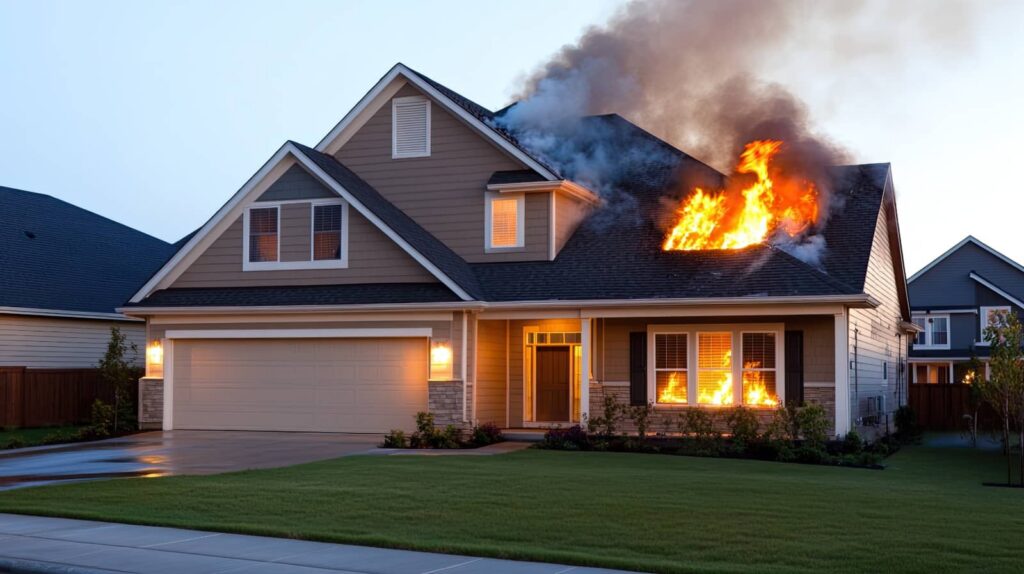
What to do after a house fire starts with prioritizing safety before worrying about property damage. Your first step should be a quick headcount to make sure everyone is safe and checking whether anyone needs fresh air or medical attention. Once everyone is accounted for, call 911, avoid entering unsafe areas, and document the damage before moving or cleaning anything. You should also take steps to prevent further damage, notify your insurance company, and keep records of all expenses related to the loss. The actions you take immediately after a fire can play an important role in protecting your property and supporting a smoother recovery.
Key Takeaways
- Make sure everyone is safe, accounted for, and moved away from smoke, heat, or flames.
- Call 911 immediately and give the dispatcher your exact address and building type.
- Photograph and video all fire, smoke, and water damage for insurance and recovery records.
- Prevent further damage by covering openings, removing standing water, and using protective gear.
- Contact your insurance company quickly and save all receipts, claim numbers, and repair records.
Make Sure Everyone Is Safe
First, make sure everyone is out of the house and away from danger. Stay together and do a quick headcount so no one gets left behind.
If anyone feels dizzy, has burns, or struggles to breathe, get them to fresh air and rest calmly. Keep children, pets, and older family members close, and don’t let anyone reenter for belongings.
If you’re wondering what to do after a house fire, your first job is protecting people, not property. Check for anyone who may need medical help and reassure one another with simple, steady words.
You’re not alone in this moment; focus on the people in your circle, and let safety guide each next step.
Call 911 and Report the Fire
Call 911 right away and report the fire, even if it seems small or has started to die down.
Stay calm and give the dispatcher your exact address, the type of building, and whether anyone might still be inside. Follow every instruction they give you, and don’t hang up until they tell you it’s okay.
If you’re outside, tell them where you’re standing so firefighters can find you quickly. If you notice smoke, heat, or a flare-up, mention it clearly.
You’re not overreacting by calling; you’re protecting your household and your neighbors. Reporting the fire promptly brings trained help faster and gives you a clearer path forward.
Once help is on the way, stay nearby if it’s safe and wait for emergency crews to guide you.
Take Photos Before You Clean Up
Before you move or throw anything away, take clear photos and videos of the damage from every angle.
Capture each room, item, wall, ceiling, and window, and zoom in on soot, water stains, broken belongings, and missing parts.
Keep your phone steady and narrate what you’re seeing so the record stays easy to follow later.
If you can, back up the files right away to cloud storage or text them to someone you trust.
These images can help your insurance claim and guide recovery decisions when details start to blur.
You’ve already been through a lot, and this step gives you proof, clarity, and a stronger footing as you begin to rebuild.
Protect Your Home From More Damage
Once it’s safe, you should secure broken openings to keep out weather, pests, and intruders.
Remove any standing water right away and dry what you can to limit further damage and mold growth.
If the roof is exposed, cover it with a tarp or other temporary barrier until repairs can be made.
Secure Broken Openings
Cover any broken windows, holes in the roof, or damaged doors as soon as it’s safe to do so. Use plywood, heavy plastic, or sturdy tarps to block wind, debris, and unwanted entry.
Fasten coverings tightly so they stay in place, even if weather changes. If a door won’t close, secure it with temporary boards or ask a trusted professional for help.
Before you work, wear gloves, boots, and a mask to protect yourself from sharp edges and soot. Take clear photos of every opening and the temporary repairs for your records.
You’re not fixing everything yet; you’re just keeping your space protected until restoration starts. These quick steps help you feel more in control and keep your home ready for the next phase.
Remove Standing Water
If water collected during firefighting or cleanup, remove it as soon as it’s safe to enter the area. The sooner you act, the less chance you give mold, swelling, and hidden damage to spread.
Use a wet-dry vacuum, mop, or buckets to clear shallow water, and open nearby drains if they’re available and safe. Wear sturdy boots and gloves, since soot and debris can hide in the water.
If the amount is large, call a water removal or fire damage restoration crew. Keep family members and pets out of wet areas until they’re dry.
You’re not handling this alone—many homeowners face this step after a fire. Staying organized now helps you protect what’s left and move forward with more confidence.
Cover Exposed Roof Areas
A damaged roof can let rain, wind, and debris cause even more loss, so protect any exposed areas as soon as it’s safe to do so.
If you can do it without risk, use heavy-duty tarps or plastic sheeting to cover holes, missing shingles, or burned sections. Secure the material with boards or weights, and avoid nailing into unstable framing.
If the damage is large or the structure feels unsafe, call a licensed roofer or fire damage restoration team right away. They’ll help you seal the opening properly and reduce further water intrusion.
Taking this step quickly can protect your home, limit repairs, and give you one more clear task to focus on. You’re not handling this alone—support is available.
Contact Your Insurance Company
Once everyone is safe, contact your insurance company right away to start the claims process and document the loss.
Call the claims line, report the fire, and ask what steps you need to take next. Give your policy number, the date of the fire, and a brief description of the damage.
Keep a notebook or phone file with every name, time, and claim number you receive. If you can, take photos and videos of damaged rooms and items before moving anything.
Save receipts for emergency expenses, because your policy may cover them. Ask when an adjuster will visit and what documents they need.
Stay organized, follow up often, and remember that you’re not handling this alone—your insurer is part of your recovery team.
Arrange House Fire Cleanup and Restoration
Once it’s safe, assess the full extent of the damage so you know what needs immediate attention.
Then hire experienced restoration pros who can handle cleanup, smoke removal, and repairs correctly.
Acting quickly helps protect your home from further damage and gets recovery moving sooner.
Assess Damage Extent
After the fire is out and it’s safe to go back inside, assess the damage as carefully as you can before you begin cleanup.
Walk through each room slowly and note what you can see, smell, and touch without disturbing anything. Look for burned surfaces, smoke staining, soot, wet materials, broken windows, and warped walls or floors.
Check closets, attics, and basements, since damage can hide there too.
Take clear photos and short videos from multiple angles, and make a simple room-by-room list of affected items.
Separate what looks salvageable from what’s clearly beyond repair, but don’t throw anything away yet.
This careful inventory helps you understand what your home needs next and gives you a solid starting point.
You’re not alone here; steady steps make recovery feel more manageable.
Hire Restoration Pros
With the damage documented, your next move is to bring in fire damage restoration professionals to handle cleanup and recovery safely.
They’ll inspect structural hazards, remove soot and debris, and start drying areas before mold can spread.
Ask for a clear scope, timeline, and written estimate so you know what’s happening and when. Your insurer may require licensed pros, so share photos, receipts, and the report you’ve already gathered.
Don’t try to scrub walls, move weakened materials, or turn on damaged utilities yourself.
A good team will explain each step, protect salvageable belongings, and coordinate repairs with empathy.
Lean on them—they do this every day, and you don’t have to face the mess alone.
Recap
After a house fire, you need to act fast, but you don’t have to handle everything at once. Start by making sure everyone is safe, then call 911, document the damage, and protect your home from more harm. Remember, you’re not alone—some people who survive a house fire return to serious cleanup and repair work within days. Contact your insurer, keep records, and take the next step toward recovery.