
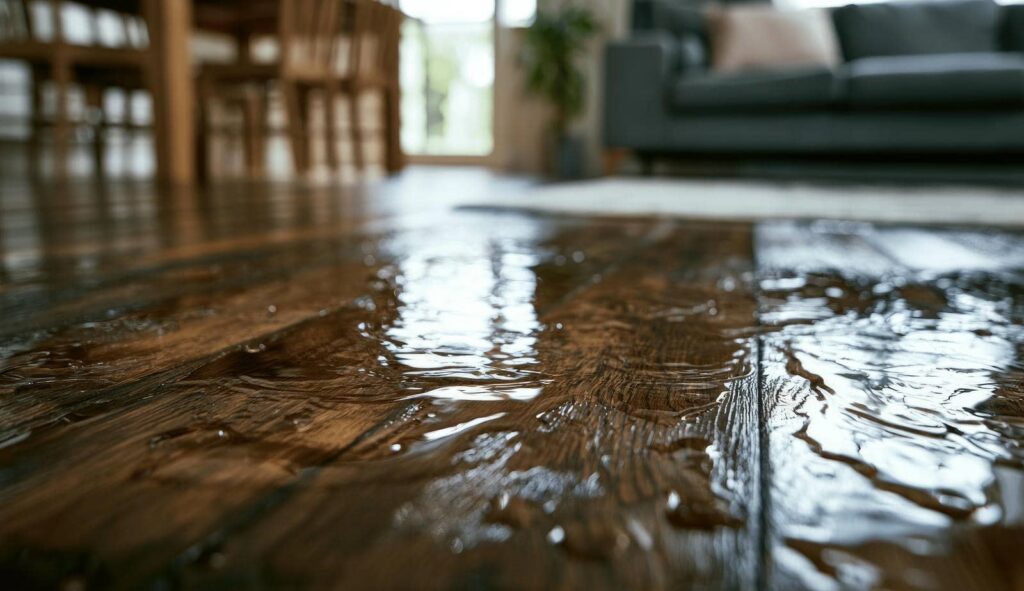
After heavy rain or monsoon flooding, you need to document damage, stop water entry, dry rooms fast, and disinfect every affected surface before mold takes hold. The first 24 hours matter most, but hidden moisture can still cause trouble long after the visible water is gone.
Key Takeaways
- Document damage with photos and remove wet rugs, cardboard, and other porous items immediately.
- Shut off the water source, protect valuables, and block openings with towels, tarps, or sandbags.
- Pump out standing water, then use fans, open windows, and dehumidifiers to dry the space.
- Clean hard surfaces with soap and water, then disinfect with a bleach solution or EPA-registered product.
- Remove unsalvageable materials, check for hidden mold, and call professionals for major contamination.
Storm Water Damage Cleanup: What to Do First
When storm water enters your property, act quickly to limit further damage.
Begin storm water damage cleanup by documenting visible impacts with photos, then remove wet rugs, cardboard, and porous items that can hold moisture.
Wear gloves, boots, and a respirator if silt or mold is present.
Open cabinets, closets, and wall cavities you can access to improve airflow.
Use fans and a dehumidifier to lower humidity, and keep indoor temperature stable.
Check for soaked insulation, warped baseboards, and contaminated materials, then mark them for removal.
Bag debris carefully to prevent cross-contamination.
If you’re part of a neighborhood recovering together, share drying equipment and compare notes.
You’ll move faster, reduce losses, and create a safer, cleaner space for the next step.
Stop the Water and Protect Your Home
If water is still entering the building, shut off the source right away and protect the structure from further damage. Turn off the main water valve if a pipe is leaking, and cut power only if it’s safe and the panel’s accessible.
Move valuables, documents, and electronics to a dry room or higher shelves. Block door gaps with towels, sandbags, or plastic sheeting to slow more runoff. Cover broken windows or roof openings with tarps secured from the outside if you can do it safely.
Keep family and pets out of saturated rooms, and mark unsafe areas so everyone stays clear. If you’re part of a neighborhood recovery effort, ask nearby helpers for support and share updates so you can all respond quickly and stay protected together.
How to Dry Flooded Rooms Fast
Start drying flooded rooms immediately by removing standing water with a wet/dry vacuum, pump, or mop. Then open windows and run fans and dehumidifiers to speed evaporation.
Focus on airflow across floors, baseboards, and corners where moisture lingers. Lift rugs, furniture pads, and small items so air can circulate underneath. If you’ve got multiple fans, create a cross-breeze that pushes damp air out and pulls dry air in.
- Place a dehumidifier in the smallest closed room first.
- Check moisture levels with a meter every few hours.
- Move furniture away from walls to expose hidden wet spots.
Stay organized, work room by room, and you’ll dry faster with less stress.
Clean and Disinfect Storm-Damaged Surfaces
Once the area is dry enough to work in, clean hard surfaces with soap and clean water to remove mud, silt, and debris.
Then disinfect countertops, tile, metal, and sealed wood with a bleach solution or other EPA-registered disinfectant. Follow the label, keep surfaces wet for the full contact time, and ventilate the room while you work.
Wear gloves, eye protection, and a mask if residues are dusty. Rinse food-contact surfaces with clean water after disinfection.
Check hidden grime in corners, baseboards, and around fixtures, because contamination often lingers there.
If you’re working with your crew or family, assign one person to mix solution and another to wipe so you stay organized and safe.
Clean, disinfected surfaces help your space feel stable again.
Remove Damaged Materials and Debris
You should remove unsalvageable materials, including wet drywall, insulation, and warped flooring, as soon as they’re identified.
Bag and dispose of contaminated debris separately to prevent spreading pollutants and mold.
Clear the work area completely so you can assess the structure and begin repairs safely.
Dispose of Contaminated Debris
Remove damaged materials quickly to prevent further contamination and structural deterioration. You should bag debris, separate it from clean items, and move it to the curb or collection point your crew uses.
Wear gloves, boots, and a respirator when dust, mud, or sewage residue is present. Keep pathways clear so your team can work safely and stay coordinated.
- Sort debris by material type for faster hauling.
- Seal contaminated waste in heavy-duty bags or lined bins.
- Label containers so disposal crews handle them correctly.
You’ll reduce odors, pests, and slip hazards when you act fast. If local rules require special pickup, follow them and document what you removed.
Working this way helps your space feel manageable again and keeps everyone on the same page.
Remove Unsalvageable Materials
Cut out any materials that can’t be dried, cleaned, or disinfected, since leaving them in place can trap moisture and spread contamination.
Remove soaked drywall, insulation, carpet padding, baseboards, and warped particleboard as soon as you can. If you see mold growth, swelling, or delamination, don’t try to save it.
Use PPE, shut off power in wet zones, and work from clean to contaminated areas so your crew stays safer and organized.
Bag small debris, stack salvageable items separately, and keep pathways clear for drying equipment.
Check cavities behind walls and under floors for hidden damage before you close anything up.
When you take out unsalvageable materials promptly, you help your property dry faster and support a cleaner, healthier recovery for everyone involved.
How to Find Mold and Hidden Moisture
How can you tell where storm water has hidden itself? You can trace mold and moisture by checking materials that stay cool, damp, or stained. Use a flashlight and your nose; musty odors often mark active growth.
Press drywall, trim, and flooring to find soft spots, and watch for bubbling paint or warped boards. Scan around windows, baseboards, ceilings, and under sinks, where water likes to linger.
- Map stains and discoloration.
- Check seams, corners, and behind furniture.
- Compare wet areas with dry rooms.
You’re not alone in this process; many homes keep moisture tucked behind surfaces. If you spot condensation or recurring dampness, mark it and keep air moving.
The goal is to find every hidden pocket before it spreads and joins the rest of the damage.
When to Call a Cleanup Pro
Call a cleanup pro when storm water has soaked structural materials, reached multiple rooms, or left contamination behind.
You need help fast if water has entered drywall, insulation, subfloors, or electrical cavities. If you smell sewage, see mud or debris, or suspect mold, don’t keep drying on your own.
A qualified crew uses extraction pumps, air movers, dehumidifiers, and moisture meters to stop hidden damage and speed safe recovery. They also document losses for insurance and isolate affected zones so your home stays livable.
When you’re dealing with a big mess, you don’t have to handle it alone. The right team brings skill, equipment, and support, so you can protect your space and get back to normal with confidence.
Wrap-Up
You’ve seen how fast storm water can turn a room into a swamp, so act quickly. Stop the source, ventilate every space, and dry materials with fans and dehumidifiers. Clean and disinfect hard surfaces, then remove damaged debris before mold spreads like wildfire. Check hidden moisture behind walls and under floors, and call a pro if contamination or structural damage looks severe. Fast, methodical cleanup helps you restore safety and prevent bigger losses.