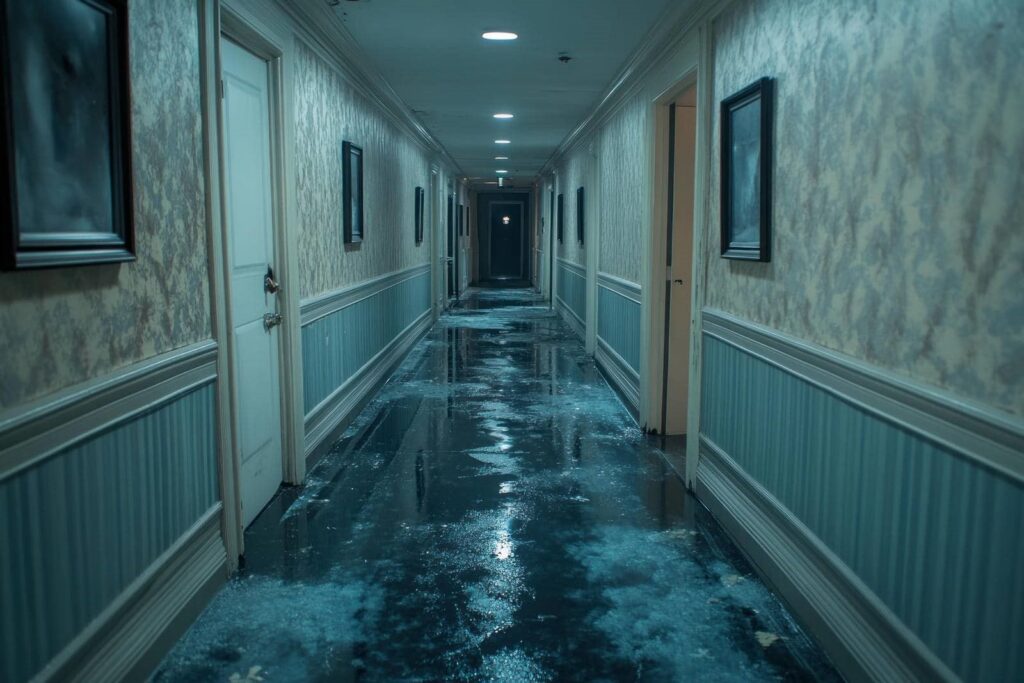
When a burst pipe floods your retail store overnight, you need a plan fast. Commercial restoration helps you assess damage, stabilize the building, and get operations moving again with minimal delay. You’ll see how crews handle water, fire, smoke, mold, and storm damage, and why the right response can protect both assets and revenue—if you know what to look for next.
Key Takeaways
- Commercial restoration repairs business properties after damage while protecting safety, operations, and compliance.
- The process includes assessment, securing the site, cleaning, drying, repairing, and documenting progress.
- Common restoration types include water, fire and smoke, mold, storm, and large-loss recovery.
- Fast response reduces secondary damage, supports continuity, and helps limit disruption to business operations.
- Choose a qualified restoration company with proper licensing, insurance, certifications, and emergency response capability.
What Is Commercial Restoration?
Commercial restoration is the process of repairing and recovering a business property after damage from water, fire, mold, storms, or a major loss event.
You rely on commercial restoration to return your facility to safe, usable condition while protecting assets, operations, and compliance needs.
This service focuses on structural stability, contamination control, and coordinated recovery for offices, warehouses, retail spaces, and other commercial sites.
When you choose commercial restoration, you’re working with a team that understands urgency, precision, and your need to keep business moving.
It gives you a clear path forward, reduces uncertainty, and helps you reestablish a secure environment for your employees, customers, and clients.
What Happens During Commercial Restoration?
Once you understand what commercial restoration is, the next step is knowing how the work unfolds on your site. First, you’ll get a detailed assessment so the team can identify damage, safety risks, and the scope of work.
Next, they’ll secure the property, remove hazards, and protect unaffected areas. Then they’ll clean, dry, repair, or rebuild damaged materials using specialized equipment and documented procedures.
You’ll also receive progress updates, photos, and coordination that keep your operations informed and involved. Throughout the process, the crew works to control disruption, maintain compliance, and restore usable space efficiently.
Commercial Restoration for Water Damage
When water intrusion affects your facility, fast commercial restoration limits structural damage, prevents secondary problems like mold, and helps you resume operations sooner.
You’ll get a coordinated response that starts with inspection, moisture mapping, and source control. Technicians extract standing water, remove saturated materials, and deploy air movers and dehumidifiers to stabilize humidity.
They monitor affected areas with meters and thermal imaging, so you know drying is progressing as planned. Your team stays informed through clear updates, documentation, and loss tracking that supports insurance claims.
This process protects inventory, equipment, and building systems while reducing downtime. With trained professionals guiding each step, you can feel confident your workspace is returning to safe, usable condition, and your business community can move forward together.
Commercial Restoration for Fire and Smoke
Fire and smoke damage can disrupt operations just as quickly as water, and you’ll need a coordinated restoration plan to get your facility back online.
You should secure the site, document losses, and call a commercial restoration team that can assess structural damage, soot spread, and air quality.
Crews will remove debris, clean affected surfaces with the right detergents, and use HEPA filtration to capture fine particles.
They’ll also deodorize the building and isolate salvageable assets so you can protect inventory and equipment.
Throughout the process, you stay informed, supported, and part of a clear recovery plan.
With fast action and skilled technicians, you can reduce downtime, restore safe conditions, and reopen with confidence alongside your team.
Commercial Restoration for Mold Remediation
Mold damage in a commercial building requires fast, targeted action because moisture-related growth can spread behind walls, under flooring, and through HVAC systems before you fully see the problem.
You’ll protect your team and operations by isolating affected areas, removing porous materials that can’t be cleaned, and using HEPA filtration to capture airborne spores.
Technicians will inspect moisture sources, dry hidden cavities, and clean salvageable surfaces with approved antimicrobial methods.
You’ll also need humidity control and post-remediation verification to confirm the space meets safe standards.
When you choose experienced restoration professionals, you’re not facing this alone; you’re joining a process built to restore healthy conditions, reduce downtime, and help your business reopen with confidence.
Commercial Restoration for Storm Damage
Storm damage can disrupt commercial operations in minutes, whether the problem involves roof failure, broken windows, wind-driven rain, hail impact, or debris intrusion.
You should secure the site fast, then document losses and stabilize exposed materials to stop secondary damage. A restoration team can remove wet finishes, dry structural components, and clean contaminated surfaces with controlled equipment and moisture monitoring.
You’ll also benefit from board-up service, roof tarping, and precise debris removal that protects your workspace and helps your crew feel supported.
If electrical, HVAC, or envelope systems were affected, technicians can assess them before you restart operations.
With coordinated cleanup and repairs, you regain a safe, functional facility and get back to serving your customers with confidence.
How Large-Loss Restoration Is Managed
Large-loss restoration is managed through a coordinated response that stabilizes the property, limits ongoing damage, and keeps recovery moving in phases.
You’ll see teams isolate hazards, shut down affected systems, and document conditions before demolition or drying begins.
Then they sequence mitigation, debris removal, structural drying, cleaning, and repairs so each step supports the next.
You stay informed through regular updates, scope checks, and moisture or air-quality readings that verify progress.
This method reduces downtime, protects unaffected areas, and helps you reopen with confidence.
When your facility faces a major event, you’re not left guessing; you’re part of a clear recovery plan built around safety, efficiency, and continuity.
How to Choose a Restoration Company
When you choose a restoration company, verify its credentials, insurance, and relevant certifications so you know it can handle commercial loss conditions properly.
Check how quickly it responds to emergencies, because fast mobilization can limit secondary damage and reduce downtime.
Then evaluate the restoration scope it offers, including assessment, mitigation, cleanup, and full recovery services, so the provider matches your site’s needs.
Verify Credentials
Before you hire a restoration company, verify that it holds the proper licenses, insurance, and industry certifications for commercial work. You should confirm state contractor licensing, general liability coverage, workers’ compensation, and any required bonding before you sign.
Ask for certification numbers from organizations such as IICRC, and check that the team’s training matches your damage type, whether it’s water, fire, mold, or biohazard cleanup. A qualified firm will share documentation without hesitation and explain how it keeps records current.
This step protects your property, your staff, and your budget while helping you work with a crew that understands commercial standards. When credentials are clear, you can move forward with confidence, knowing your recovery partner belongs in your operation.
Assess Emergency Response
Once you’ve confirmed licenses, insurance, and certifications, the next step is to judge how quickly a restoration company can respond when your site is actively damaged.
You should ask for their emergency hotline, average dispatch time, and after-hours availability. A strong team will answer fast, mobilize crews 24/7, and arrive with the right containment, extraction, and safety equipment.
You’ll want clear communication from the first call, so you know who’s coming, when they’ll arrive, and how they’ll coordinate with your staff. Fast response reduces secondary damage, protects operations, and helps your team feel supported during a stressful event.
Choose a company that treats urgency as standard practice, not a special favor, so you can trust them when every minute counts.
Evaluate Restoration Scope
Scope tells you whether a restoration company can match the full extent of your loss, not just the most visible damage.
You want a team that can assess structural drying, smoke residue, mold growth, content cleaning, demolition, and reconstruction in one coordinated plan.
Ask whether they use moisture mapping, infrared scanning, air-quality testing, and detailed loss documentation.
Confirm they can handle your building’s size, after-hours access, and regulatory needs without fragmenting the job.
When scope is clear, you’re not left managing gaps between trades or repeating the same story to multiple crews.
You get a partner who sees the whole recovery path, protects your operations, and helps your team feel supported from the first inspection through final turnover.
How to Prevent Future Property Damage
To reduce the risk of future property damage, you should build a prevention plan that targets the most common failure points in commercial buildings, including roofing, drainage, plumbing, electrical systems, and interior moisture control.
Schedule inspections after storms and seasonal shifts, and replace worn flashing, sealants, and sump components before they fail. Test backflow devices, clean gutters, and verify that downspouts discharge away from the foundation.
You’ll also want to monitor humidity, ventilation, and leak-prone areas with sensors so you can act fast. Document every repair, train your team on reporting issues, and keep trusted restoration partners on call.
That way, you’re not just reacting—you’re protecting your space, your people, and the community that depends on your business.
Final Thoughts
When you face property damage, you need to act fast and stay organized. By choosing a qualified commercial restoration team, you help protect your building, equipment, and daily operations. From water extraction to fire cleanup and mold remediation, each step moves you closer to normal. Think of restoration as the bridge that gets your business back on its feet, stronger and safer. With the right plan, you can recover quickly and reduce future risk.