
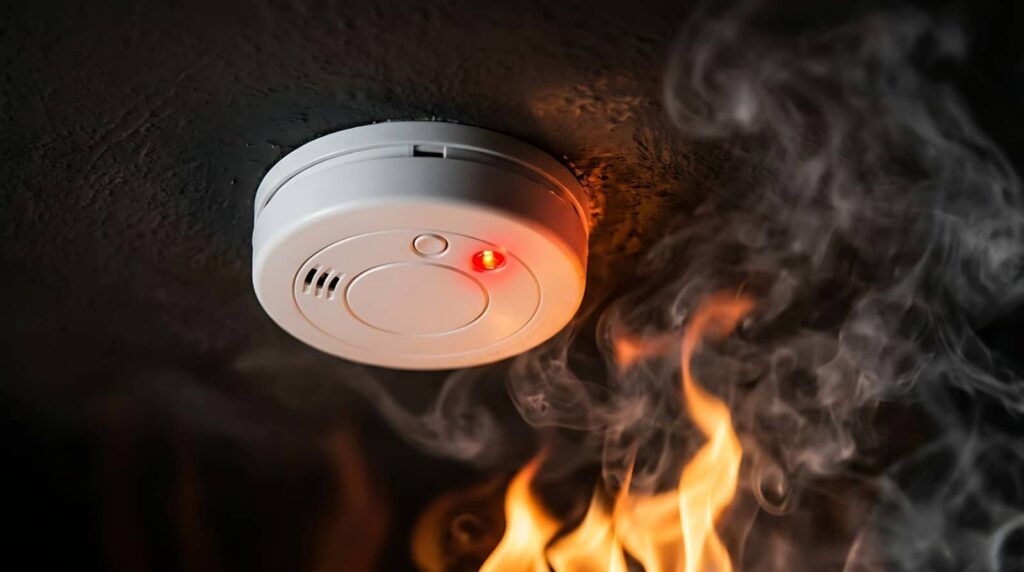
Fire damage restoration is the first step toward recovering your home after a fire and protecting what remains. After such a devastating event, your property can feel fragile, and taking quick, careful action is essential. The recovery process involves documenting damage, filing insurance claims, removing smoke and soot residue, addressing water damage from firefighting efforts, and restoring affected areas. Knowing when to contact experienced fire restoration professionals can make a significant difference in preventing further loss and helping your home return to a safe, livable condition.
Key Takeaways
- Prioritize safety after a fire and do not re-enter the property until authorities declare it safe.
- Contact your insurer and a trusted fire restoration company immediately to start the claims and recovery process.
- Secure the property by boarding openings, removing standing water, and documenting all damage with photos and receipts.
- Use professionals to clean soot, remove smoke odor, assess structural damage, and repair compromised materials.
- Prevent future fires with working smoke alarms, maintained extinguishers, clean vents, and a practiced family escape plan.
What to Do Right After a Fire
After a fire, your first priority is safety, so don’t re-enter the property until authorities say it’s safe.
Once you’re cleared, contact your insurer and a trusted fire damage restoration company right away. They’ll help you document losses, assess soot, smoke odor, debris, and structural damage, and explain the next steps.
If you can do so safely, gather important papers, keys, and medications before leaving. Keep family members and pets together, and let your support network know what happened so you don’t face it alone.
Take photos only when conditions are secure, and save receipts for temporary needs. Acting quickly helps you start recovery with confidence and connect with people who’ll guide you through each stage.
Protect Your Home From Further Damage
You should secure any open windows, doors, or roof gaps as soon as it’s safe so wind, rain, and pests can’t cause more damage.
Next, stop secondary water damage by shutting off leaking lines, removing standing water, and drying affected areas quickly.
You’ll also want to clear unstable debris carefully to reduce hazards and protect the structure until restoration begins.
Secure Openings Quickly
Once it’s safe to enter, secure any broken windows, damaged doors, or other openings right away to keep out weather, pests, and intruders. You can board up shattered glass, cover gaps with heavy-duty sheeting, and lock or brace damaged entry points until repairs begin.
This quick action helps you protect your belongings and preserve the progress you’ve already made. If the structure feels unstable, stay clear and let trained professionals handle it. You’re not alone in this process; many property owners face the same urgent steps after a fire.
Prevent Secondary Water Damage
If firefighting water is still present, dry it out quickly to keep the damage from spreading. You can protect your home by acting fast and staying organized with your restoration team. Water left behind can soak walls, floors, and belongings, so focus on removing moisture and improving airflow.
- Shut off standing water sources
- Use pumps, wet vacs, or towels
- Run fans and dehumidifiers
- Lift wet rugs and padding
- Monitor damp spots each day
You’re not dealing with this alone; steady action helps you regain control and feel confident about the next steps.
Dry surfaces, furniture, and hidden spaces as soon as you can. When you respond early, you limit mold risk, reduce odors, and support a smoother recovery for your household.
Remove Unstable Debris
After the area is dry enough to enter safely, remove unstable debris to keep the damage from getting worse. Start with loose ceiling material, broken glass, charred wood, and sagging items that could fall or block access.
Wear protective gear, use sturdy bags or bins, and sort debris as you go so you can protect salvageable belongings and work efficiently. If anything looks structurally unsafe, don’t move it yourself; call a qualified restoration professional to handle it.
Clearing this debris helps reduce trip hazards, limits further contamination, and gives you and your recovery team a safer space to work in. By taking this step early, you’re helping your home stabilize and moving closer to a cleaner, more secure restoration process.
Call Your Insurance Company and File the Claim
Contact your insurance company as soon as possible and file the claim to begin the recovery process. You’ll feel more secure when you act quickly and keep the conversation clear. Share your policy number, the date of the fire, and a brief summary of the damage.
Then note the claims adjuster’s name and next steps so you stay connected to the process.
- Gather photos and videos
- List damaged rooms and items
- Save receipts for emergency costs
- Record all phone calls and emails
- Ask what your policy covers
Stay calm if the questions feel detailed; they help your insurer understand what you need.
Start the Fire Restoration Process
Once you’ve filed the claim, move quickly to begin the fire restoration process and limit further damage. You can bring in a trusted restoration team to assess the property, secure the site, and create a clear recovery plan.
They’ll inspect affected areas, document conditions, and coordinate the work needed to stabilize your home or business. You should also remove undamaged belongings to a safe place if it’s safe to do so.
Staying organized now helps you feel more in control and keeps the process moving. With the right professionals beside you, you’re not handling this alone. They’ll guide you through each step with care, helping you restore safety, structure, and peace of mind as your property starts to recover.
Remove Smoke, Soot, and Odors
You’ll need to clean soot from all affected surfaces quickly, since it can stain materials and spread if left in place.
Then you can use smoke odor neutralization methods to remove lingering smells from the air and porous items.
A careful, thorough approach helps restore a safer, fresher space and supports the rest of the recovery process.
Smoke Odor Neutralization
Smoke odor can linger long after the flames are out, so effective restoration targets the source as well as the smell. You can trust a focused approach to help your home feel welcoming again.
- Ventilate rooms to replace stale air
- Use air scrubbers to capture airborne particles
- Apply odor-neutralizing treatments to affected spaces
- Seal porous materials that retain smoke
- Monitor results and repeat as needed
You don’t have to face lingering odor alone; a restoration team can guide you through each step with care.
When you address smoke odor early, you create a healthier space and support faster recovery for everyone inside.
With the right process, your property can feel clean, comfortable, and ready to welcome you back.
Soot Surface Cleaning
Soot surface cleaning starts with careful removal of residue from walls, ceilings, floors, and belongings before it can stain or spread further. You’ll want to act quickly, because soot is acidic and can etch finishes, discolor fabric, and keep odors trapped in porous materials.
Use the right methods for each surface: dry sponging for delicate areas, HEPA vacuuming for loose particles, and specialized cleaners for painted, metal, or hard surfaces. Avoid scrubbing at first, since that can drive soot deeper and worsen damage.
When you clean properly, you also help reduce lingering smoke odor and protect your space from permanent marks. If the damage feels overwhelming, you’re not alone; trained restoration professionals can restore your home with care and help you feel comfortable again.
Save Fire-Damaged Belongings
If items survived the fire, move them to a clean, dry area as soon as it’s safe so you can prevent further damage from soot, smoke, and water exposure.
Handle each piece gently and sort what’s worth preserving, because quick decisions help protect memories and essentials. You’re not alone in this process; many homeowners face the same challenge and recover more than they expect.
- Set aside valuables and documents
- Air out fabrics and soft goods
- Bag loose parts together
- Photograph damage for records
- Keep fragile items separated
Store items in labeled containers, and avoid stacking anything damp or unstable.
If something feels too delicate to move, leave it for a restoration professional. Careful handling now gives you the best chance to save what matters and rebuild with confidence.
Clean Up Water Damage After Firefighting
Once the fire is out and the scene is safe, you’ll need to address water damage quickly because soaked materials can lead to mold, warping, and deeper structural problems.
You should shut off standing water, open windows if weather allows, and start removing wet items that can be salvaged.
Use fans, dehumidifiers, and towels to dry floors, carpets, and furniture as soon as possible.
If water has soaked into padding, drywall, or insulation, call a restoration professional to assess hidden moisture.
You’re not handling this alone; a careful cleanup team can help you protect your home and belongings while reducing health risks.
Document damaged areas, keep the space ventilated, and stay alert for musty odors or discoloration.
Prompt action now supports a safer recovery.
Repair Structural Fire Damage Safely
After the fire and water cleanup, you’ll need a qualified contractor or restoration specialist to inspect the structure before any repairs begin.
You can then move forward with confidence, knowing the damage is documented and the safest repair plan is in place. Focus on rebuilding what’s sound and replacing what’s compromised.
- Check load-bearing walls, beams, and joists
- Remove charred, weakened, or warped materials
- Repair hidden damage in ceilings, floors, and framing
- Use code-compliant materials and methods
- Verify that repairs restore stability and safety
You’re not alone in this process. With careful work and the right expertise, you can bring your property back to a secure, livable condition while protecting everyone who enters it.
When to Call a Fire Restoration Company
Call a fire restoration company as soon as the scene is safe and the fire department has cleared the property.
You’ll want trained professionals to step in quickly because smoke, soot, debris, and firefighting water can keep causing damage after the flames are out.
If you notice strong odors, stained walls, wet flooring, or visible structural harm, don’t wait.
Call right away if the fire spread beyond one room, affected HVAC systems, or left you unsure about hidden damage.
A restoration team can assess the loss, secure the property, and start cleanup with the right equipment.
Reaching out early helps you protect your home, reduce stress, and feel supported by experts who understand what you’re facing together.
Prevent Future Fire Damage at Home
To lower the risk of future fire damage, take a few practical steps to make your home safer and more resilient. You’re not alone in this process; small habits can protect your household and give you peace of mind.
Stay on top of fire safety with these essentials:
- Test smoke alarms monthly and replace batteries as needed.
- Keep extinguishers in the kitchen, garage, and near bedrooms.
- Clean lint traps, vents, and grease buildup regularly.
- Inspect cords, outlets, and appliances for wear or overload.
- Create and practice a family escape plan twice a year.
Store flammables safely, and never leave cooking, candles, or space heaters unattended.
If you stay prepared, you’ll strengthen your home and your sense of security.
Review
After a fire, you can still rebuild with steady, careful steps. Once the smoke clears, protect your home, document the damage, and call the right professionals to guide the restoration. As soot fades and walls dry, your space can begin to feel like home again. With each repair, you move closer to safety, comfort, and peace of mind. Stay alert, stay organized, and you’ll help shield your home from future damage.