
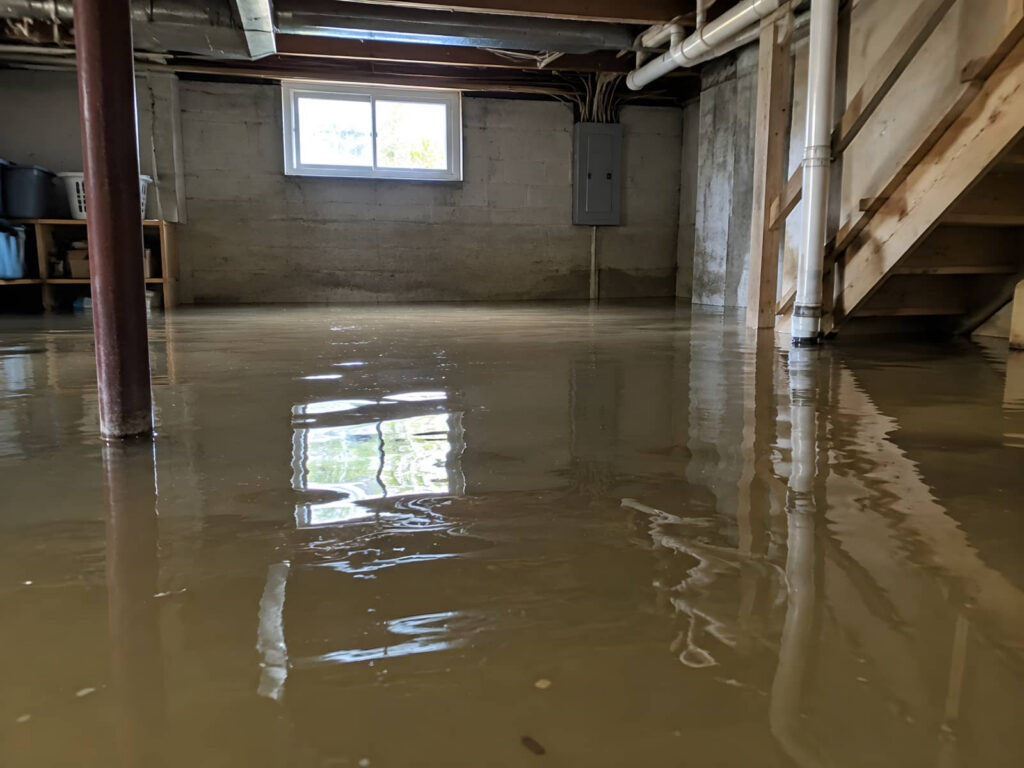
After heavy rain, you need to act fast to limit storm flooding damage and protect everyone on site. Check each affected area for standing water, leaks, and weak spots, then shut off water and power from a safe location. Start removing water and drying the space right away, but don’t overlook the roof, drains, or hidden damage that can get worse. The next steps can save time, money, and more than one major repair.
Key Takeaways
- Inspect each room for standing water, leaks, and damaged materials, and document hazards with photos and brief notes.
- Shut off water and electricity from a safe, dry location if flooding threatens outlets, wiring, or major leaks.
- Protect interiors from active roof leaks using buckets or tarps, and avoid climbing onto wet roofs.
- Remove standing water, open windows, and use fans or dehumidifiers to dry affected areas quickly.
- Record all damage for insurance, then schedule repairs and long-term drainage or maintenance improvements.
Assess Flood Damage Fast
Move quickly to assess flood damage fast so you can limit further loss from water intrusion, roof leaks, debris, and moisture damage after heavy rain.
You’re part of the storm flooding emergency response when you inspect each room, note standing water, and document stains, warped materials, and broken contents.
Check ceilings, walls, floors, and windows for fresh leaks and soft spots. Take clear photos and brief notes now so you can share accurate details with your recovery team.
Mark hazards, blocked paths, and damaged belongings without delay. Stay methodical, move room to room, and record what’s affected.
Your quick, organized assessment helps your household act together, reduces confusion, and supports faster cleanup and repair decisions after the storm.
Shut Off Water and Power Safely
Shut off water and power safely as soon as you can do so without entering floodwater or exposed areas.
If you can reach the main valves and electrical panel from a dry, secure location, turn them off right away.
Stand on firm ground, keep your hands dry, and use a flashlight instead of open flame.
If water has reached outlets, wiring, or the service panel, stop and call your utility provider or a licensed electrician.
Tell everyone in your household what you’ve done so they stay clear of energized equipment.
Label the shutoff points if possible, and keep the area accessible for responders.
Stop Roof Leaks
Once power and water are secure, address any roof leaks right away to limit further damage.
You should inspect ceilings, attics, and upper walls for stains, drips, and sagging. Place buckets, towels, or plastic sheeting under active leaks to protect shared spaces.
If you can safely reach the source, cover damaged shingles, flashing, or vents with a tarp and secure it tightly with boards or weights.
Don’t climb onto a wet roof; use a ladder only if conditions are safe and you’ve got support.
Notify your property manager, insurer, or repair team as soon as possible. Mark affected areas and keep people away from loose drywall or soaked insulation.
Acting fast helps your household stay safe, organized, and ready for the next response step.
Remove Standing Water
Start removing standing water as soon as it’s safe to do so, because pooled water can weaken floors, spread contamination, and worsen moisture damage.
Wear boots, gloves, and eye protection before you enter. Use buckets, mops, a wet vac, or a pump sized for the job, and work from the lowest area first.
Keep electrical cords and outlets away from the water, and shut off power if water has reached them. Open drains only if you know they’re clear and safe. Move water outside and away from the building so it doesn’t return.
If the volume is too large or the water is contaminated, call trained help right away. Stay coordinated with your team, document conditions, and keep checking for hidden pooling in corners and under furniture.
Dry Out Walls, Floors, and Belongings
With the standing water removed, you should dry walls, floors, and belongings quickly to limit mold growth and further damage.
Open windows if weather allows, and run fans to move air through every affected room. Use dehumidifiers to pull moisture from the space and keep them operating until surfaces feel dry.
Lift rugs, cushions, and portable furniture so air reaches hidden areas. Wipe hard surfaces with clean towels, then replace damp towels often.
Remove wet books, clothing, and decor from enclosed spaces and spread them out in a dry, ventilated area. Check baseboards, cabinets, and closets for trapped moisture.
If materials stay soaked after drying efforts, set them aside for professional review. Stay methodical, and work together to restore a safe, dry home.
Prevent Mold After Heavy Rain
Keep mold from taking hold by acting fast on any damp area after heavy rain. You protect your space best when you reduce moisture and watch for early signs of growth. Stay alert, act with your team, and don’t let damp materials linger.
Inspect walls, ceilings, carpets, and furniture for discoloration or musty odor.
Remove wet items you can’t fully dry within 24 to 48 hours.
Use fans, dehumidifiers, and open windows when conditions allow.
Clean hard surfaces with a safe disinfectant, and wear gloves and a mask if needed.
If you see widespread mold, contact qualified help right away. Quick action keeps your home safer, supports your household, and helps everyone recover with confidence.
Clear Gutters, Drains, and Debris
Sweep away leaves, branches, and other debris from gutters, storm drains, and downspouts as soon as it’s safe to do so. You help water move away from your home when you keep every opening clear.
Check roof channels, curb drains, and yard grates, and remove blockages by hand or with a scoop. Wear gloves and sturdy shoes, and keep your footing secure on wet surfaces. If water still pools, inspect for hidden clogs and call local maintenance if needed.
Do’t force compacted debris deeper into pipes. Keep kids and pets clear of the work area. Clean drains promptly after each storm so your household stays ready, your neighbors stay safer, and your community drains can do their job.
Document Flood Damage for Insurance
You should photograph every damaged area before you move or clean anything.
Record the date, time, location, and a brief description of each loss.
Keep these records organized so you can support your insurance claim quickly.
Photograph All Damaged Areas
Take clear photos of every damaged area as soon as it’s safe to enter the property. You help your claim when you show the full scene, not just one corner. Capture water lines, soaked walls, warped floors, stained ceilings, ruined belongings, and exterior impact from storm flooding.
Photograph each room from wide and close angles.
Include damaged items beside untouched surroundings for context.
Save images in one folder so your team can share them quickly.
Keep your shots steady, bright, and uncluttered. Avoid moving debris before you document it unless safety requires it.
Your attention matters, and it supports everyone working to recover with you. Clear photos give insurers a stronger picture of the loss and help your household move forward with confidence.
Record Dates And Details
Record the date and time of every flood-related discovery as soon as possible, because those details help support your insurance claim. You should log when you first saw standing water, roof leaks, soaked drywall, damaged belongings, and any change in moisture levels.
Include exact locations, room names, weather conditions, and who found the damage. Note whether you shut off power, moved items, or called for help.
Keep your entries in one place, and update them after each inspection so your team stays aligned. Use a notebook, phone notes, or a shared file, but keep the record clear and consistent.
If you contact your insurer, emergency crew, or landlord, write down names, times, and instructions. Careful records strengthen your claim and help your household recover together.
Call a Water Damage Restoration Pro
When storm flooding has caused standing water, roof leaks, or hidden moisture damage, call a water damage restoration pro right away. You’ll join neighbors who act fast and protect their homes. These specialists assess damage, remove water, dry affected materials, and document the loss with precision.
Contact a pro as soon as you spot pooling water or damp walls.
Share your notes, photos, and dates so the crew can respond efficiently.
Follow their guidance while they inspect, extract, and dry the affected areas.
You shouldn’t wait for odors, stains, or warped surfaces to spread. A trained team helps you limit further damage and restore safe conditions.
Trust the process, stay informed, and let experts lead the recovery.
Prevent the Next Flooding Emergency
You should upgrade your drainage system so water moves away from your property quickly and doesn’t pool near foundations.
You should also inspect your roof and sealants regularly, then repair weak spots before the next storm hits.
These steps help you reduce the risk of another flooding emergency.
Drainage System Upgrades
Upgrading your drainage system can help prevent the next flooding emergency by moving stormwater away from roofs, foundations, and entry points more effectively.
You should inspect every runoff path and correct weak spots before the next storm arrives. Your team belongs to a prepared group when you act early and keep water under control.
- Clean and enlarge gutters, downspouts, and catch basins so water flows freely.
- Regrade low areas and extend discharge lines away from walkways and walls.
- Install sump pumps or backup pumps where pooling keeps returning.
You’ll reduce pressure on your property and lower the chance of interior moisture damage.
Confirm that drains stay open after heavy rain, and schedule routine checks so your system keeps protecting your space.
Roof And Sealant Checks
Inspect the roof, flashing, and sealants at the first sign of storm damage to stop small leaks from becoming a flooding emergency. You should check shingles, tiles, vents, skylights, and chimney joints for cracks, lifts, or missing pieces. If you see gaps, apply approved sealant or schedule repairs right away.
Clear debris from roof valleys and gutters so water can move off your structure. After heavy rain, enter attic spaces and look for damp insulation, stains, or active drips. Document each issue, then share it with your response team or trusted contractor.
Frequently Asked Questions
How Soon Should I Call Emergency Services After Flooding?
Call emergency services immediately if you’re in danger, trapped, or see live electricity, gas leaks, or rapid rising water. If conditions seem unsafe, don’t wait—evacuate first, then call for help.
Can Floodwater Contamination Make My Family Sick?
Yes—floodwater contamination can make you and your family sick; one cup of dirty water can carry countless germs. You should avoid contact, wash exposed skin, and seek care if anyone develops fever, vomiting, or diarrhea.
What Items Should I Throw Away After Storm Flooding?
You should throw away soaked food, medicine, cosmetics, baby formula, and any porous items like mattresses, insulation, carpets, or paper goods. If floodwater touched them, don’t keep them—replace them to protect your household.
How Do I Protect My Pets During a Flooding Emergency?
You should secure pets like anchors in a storm: leash them, crate them, pack food, water, meds, and IDs, then move them to higher ground. Stay calm, keep them close, and follow evacuation orders promptly.
When Is It Safe to Stay in My Home After Heavy Rain?
You’re safe to stay only when authorities say so, your home’s power and gas are secure, and you see no standing water, leaks, or structural damage. If anything seems unsafe, leave and get help.
Review
Don’t let storm flooding turn your home into an indoor marina. You’ve assessed the damage, shut off the risks, stopped leaks, and dried what you could—now stay disciplined. Clear the drains, document everything, and call a restoration pro before small problems audition for disaster. Keep records, fix vulnerabilities, and prepare now so the next heavy rain doesn’t surprise you with the same soggy routine.