
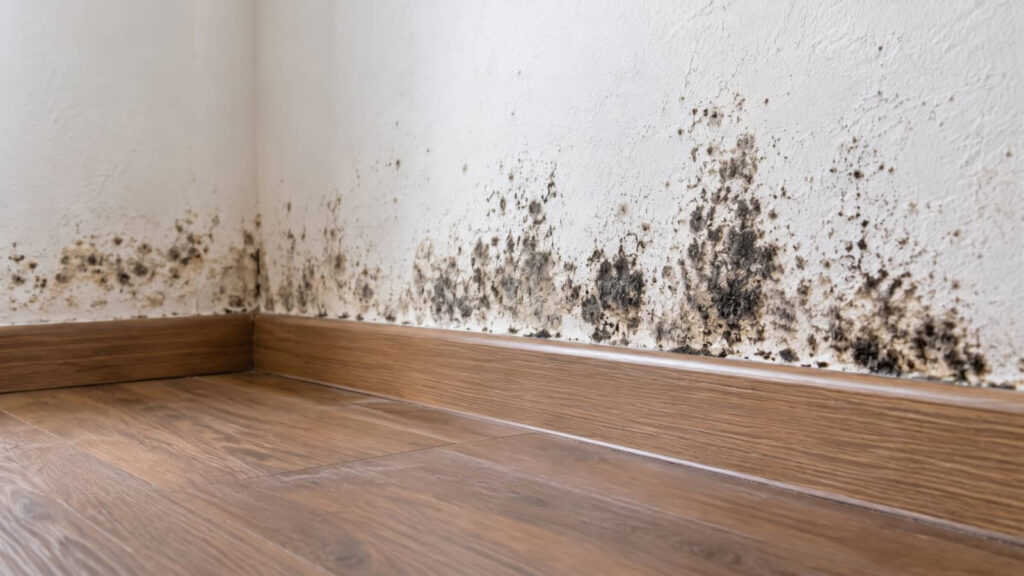
You might think a small leak can wait, but water spreads fast and can start causing damage within hours. Urgent water damage mitigation should begin by shutting off the source, removing standing water, and checking walls, floors, and crawl spaces for trapped moisture. Use air movers and dehumidifiers to dry affected areas before mold has a chance to take hold. The next steps can determine whether you limit the loss or end up facing a much larger repair job.
Key Takeaways
- Shut off the main water supply immediately to stop new water from spreading.
- Remove standing water quickly with a wet-dry vacuum or pump, starting from the lowest point.
- Check walls and floors for hidden moisture using pin or pinless moisture meters.
- Dry affected areas with air movers and dehumidifiers, and ventilate crawl spaces.
- Clean, disinfect, and discard ruined materials to prevent contamination and further damage.
Stop the Water Source First
Before you remove water or begin drying, you need to stop the source immediately.
In urgent water damage mitigation, you act fast: shut off the main supply, close the nearest valve, or isolate the affected appliance if you can do it safely. You protect your space and keep damage from spreading into walls, floors, and insulation.
If the leak comes from a roof, storm line, or hidden pipe, contact a qualified professional right away and document the source. Don’t restart fixtures until you know the system’s secure.
Your team works best when everyone understands the goal: stop new water first, then move to cleanup. This approach gives you control, reduces loss, and sets up the rest of mitigation with confidence.
Remove Standing Water Fast
Now remove standing water as quickly as possible to limit seepage, swelling, and microbial growth.
Use a wet-dry vacuum for shallow water, then switch to a submersible pump if the depth is too high for vacuum pickup. Work from the lowest point toward the exit so you don’t push water into clean areas.
Empty tanks often, and keep hoses clear so suction stays strong. Move furniture, rugs, and loose items onto dry surfaces as you clear each zone.
Wear gloves and non-slip footwear to protect yourself on wet floors. If you can’t remove the water safely or fast enough, bring in a restoration crew.
Quick extraction helps your team protect the space, reduce losses, and restore normal use sooner.
Find Hidden Moisture in Walls and Floors
After visible water is gone, you still need to find moisture trapped in walls, subfloors, and baseboards. You can’t judge by sight alone, because water often wicks upward or spreads under finishes.
Use a pin and pinless moisture meter to compare affected areas with dry reference spots. Check drywall near seams, trim, outlet edges, and carpet tack strips. Probe flooring along joints and low spots, and inspect behind furniture where airflow is poor.
If readings stay elevated, mark each location so your team can track the full spread. In shared spaces, keep everyone aligned on the same map of wet zones.
Careful detection helps you stop hidden damage early and prevent surprises later.
Dry Walls, Floors, and Crawl Spaces
Once you’ve mapped the wet areas, start drying the affected materials immediately with controlled airflow, dehumidification, and selective removal of saturated components.
Position air movers to sweep across wall cavities, subfloors, and crawl space surfaces, not straight at one spot. Keep dehumidifiers running so moisture leaves the air instead of reentering materials.
Open baseboards or access points where needed to release trapped humidity behind walls. In crawl spaces, clear standing water, then ventilate the entire area and isolate it from damp soil with temporary barriers if you can.
Monitor moisture daily with a meter and adjust equipment until readings stabilize.
You’re not just drying surfaces; you’re protecting the structure, limiting warping, and keeping your team aligned on the same recovery goal.
Clean, Disinfect, and Salvage Materials
With the structure drying, you should clean and disinfect all salvageable surfaces to stop contamination from spreading and to improve recovery odds.
Use clean water, mild detergent, and an EPA-registered disinfectant on hard, nonporous materials. Wipe from the cleanest area to the dirtiest, and change cloths often so you don’t redeposit residue.
Bag and remove ruined insulation, warped drywall, soaked carpet pad, and items that can’t be fully cleaned. Keep labeled salvage piles for furniture, electronics, documents, and fixtures that dry without staining or odor.
Inspect each item for structural soundness, rust, delamination, and hidden moisture. Work methodically with your crew, document what you keep, and separate questionable materials for professional review.
This keeps your recovery organized and helps your space come back stronger.
Prevent Mold Growth After Water Damage
To prevent mold growth after water damage, you need to dry wet materials fast and keep indoor humidity below 60 percent.
Start with water removal, then run dehumidifiers and air movers to pull moisture from framing, drywall, and flooring. You should open cavities, remove soaked insulation, and discard porous items that can’t dry within 24 to 48 hours.
Check hidden areas with a moisture meter and map damp zones so you don’t miss a source. Clean hard surfaces with detergent, then apply an EPA-registered disinfectant if needed.
Keep HVAC off if it spreads spores, and replace filters after cleanup. Work as a team, wear PPE, and monitor for musty odors or stains.
If growth appears, act immediately so your space stays safe and healthy.
Frequently Asked Questions
How Quickly Should I Call a Water Damage Professional?
Call a water damage professional immediately—ideally within 1 to 2 hours. You’ll limit spreading moisture, protect materials, and speed drying. If water’s still entering, shut it off first, then call right away.
Can Insurance Cover Urgent Water Damage Mitigation Costs?
Yes, your insurance can often cover urgent mitigation costs if the loss is sudden and documented. You should call your insurer, save receipts, and use approved contractors to protect your claim and limit moisture damage.
When Is Structural Drying Equipment Necessary?
You need structural drying equipment when materials stay damp, moisture spreads, or readings won’t drop—when you’re removing water, drying walls, and stabilizing floors. You’ll protect your property, speed recovery, and avoid hidden damage.
Should I Move Furniture During Water Damage Cleanup?
Yes, you should move furniture if you can do it safely. You’ll protect items from staining and swelling, improve airflow, and speed drying. Lift pieces, place blocks under legs, and don’t drag soaked furniture.
What Signs Show Hidden Moisture Is Still Present?
You’ll spot hidden moisture when walls feel cool, paint blisters, flooring cups, musty odors linger, or humidity stays high. Use a meter; if readings remain elevated, you’ve still got dampness behind surfaces.
Wrap-Up
When water hits, you can’t wait for a knight in shining armor. Shut off the source, remove standing water, and check for hidden moisture before it spreads through walls, floors, and crawl spaces. Then dry everything fast with air movers and dehumidifiers, clean and disinfect salvageable materials, and keep mold from taking hold. If you act quickly and methodically, you’ll limit damage, protect your structure, and get your space back under control sooner.